Aug
Marijuana Seeds News
Male vs Female Cannabis Plants: How to Tell the Difference
Just like in animals or other plants, cannabis has male and female varieties. You need to understand the male and female marijuana seeds to maintain a strong growing operation. Typically cannabis plants will either have females, males, or hermaphrodites, meaning a plant has two sexes.
You see, the marijuana plant is what botanists call a dioecious plant. Essentially, this means that the cannabis plant has three genders – male, female, and hermaphrodite.
There are roughly five to six percent of flowering plant species that are dioecious, making the cannabis plant unique in this regard.
Why Growers Prefer Female Plants
If you are new to the hobby of cultivating cannabis plants, one of the first things that you will discover is that most growers prefer females. That is not to say that male plants are bad. That is not necessarily the case.
Cultivators prefer female plants because they prize their resinous buds and the products that can be derived from them.
Male plants, on the other hand, do not produce buds. Instead, they develop pollen sacs that are useful for breeding cannabis plants.
If you are a hobbyist keen on producing buds for your own use, it makes perfect sense to grow females.
In fact, male plants can render your crops useless if they fertilize your female plants.
On the other hand, if you have a few years tucked under your belt as a marijuana plant cultivator, it is natural that you want to expand your skills and try breeding. For that, you will need male plants.
What Are Female Cannabis Plants?
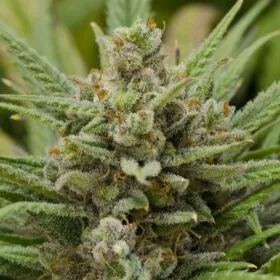
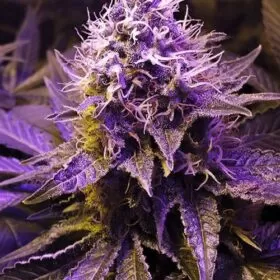
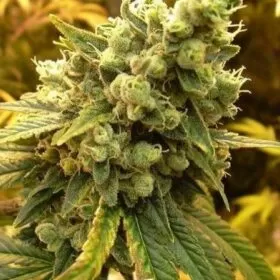
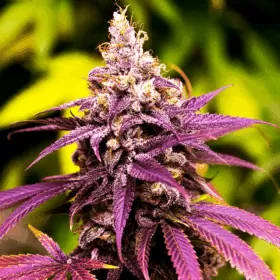
A female cannabis plant is considered more valuable than a male cannabis plant. This is because only female cannabis plants produce buds. In addition, these plants also contain tetrahydrocannabinol (THC), which is the main psychoactive compound in cannabis.
Additionally, female plants’ production is far more potent than male plants. Therefore, even though the male cannabis plants can make concentrate products like hash, the female marijuana plant is preferred for this purpose.
How to identify a female cannabis plant
The early female cannabis pre-flowers are ovate, pear-like, and have a long and slender pointed tips. That is the calyx from whose tips a pair of pistils extend.
Female cannabis plants start to show sex with small pre-flowers from about 4-6 weeks. By week six, you can tell the difference between female and male cannabis plants.
Female marijuana plants can sprout from photoperiodic, automatic, or feminized seeds. Pre-flowers in females look like a pair of white hairs from the round calyx.
Parts of the cannabis plant
Cannabis is an annual flowering plant. This means they complete their life cycle from germination to seed production in a year.
Mostly, people only know about two parts of the cannabis plant. These parts are the buds/flowers and the iconic leaves, which are the most important parts of the plant.
However, the plant has other botanical elements. Let’s look at them briefly;
a) Seeds
Cannabis plants begin from seeds, and their life cycle ends once they produce mature seeds. So, these are at the beginning and end of the plant’s life cycle.
Cannabis plants grown directly from seeds are stronger, produce a higher yield, grow faster, and even have better quality plants than clones.
The seeds form in female plants; once pollinated, they take 45 days to fully mature.
b) Roots
The roots are essential to the cannabis plant as they nourish the plant and keep it stable. The upper part of the root system is known as the root clown, where tissue begins to form the stem.
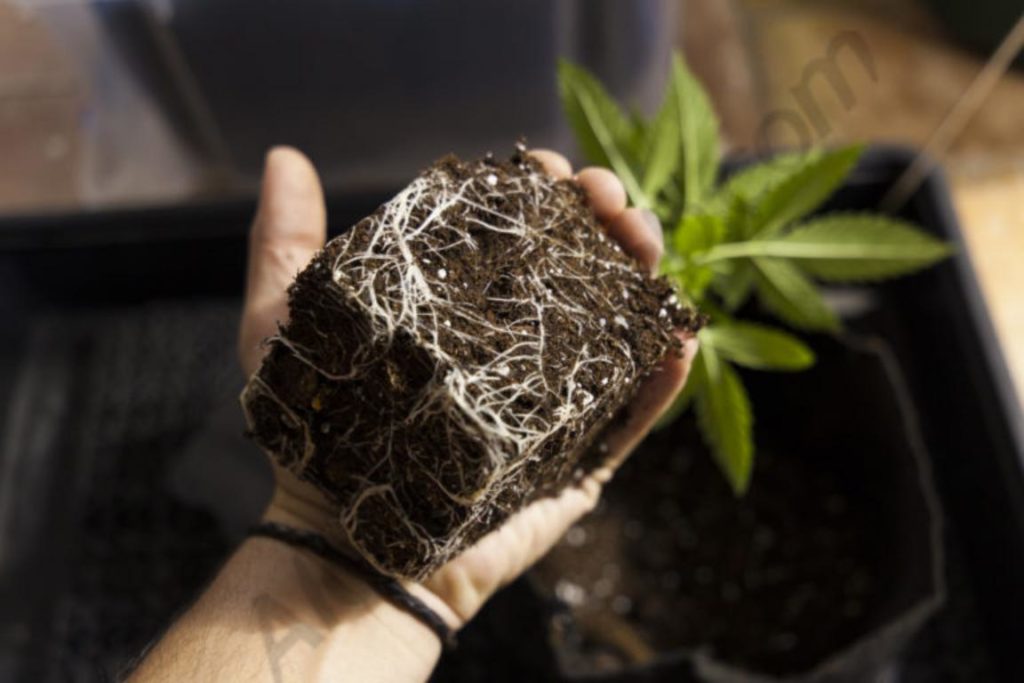
Image Source: Alchimia.com
Changes in the vascular system make these roots tougher, stronger, and larger. This is also a result of absorbing air and oxygen.
c) Stem
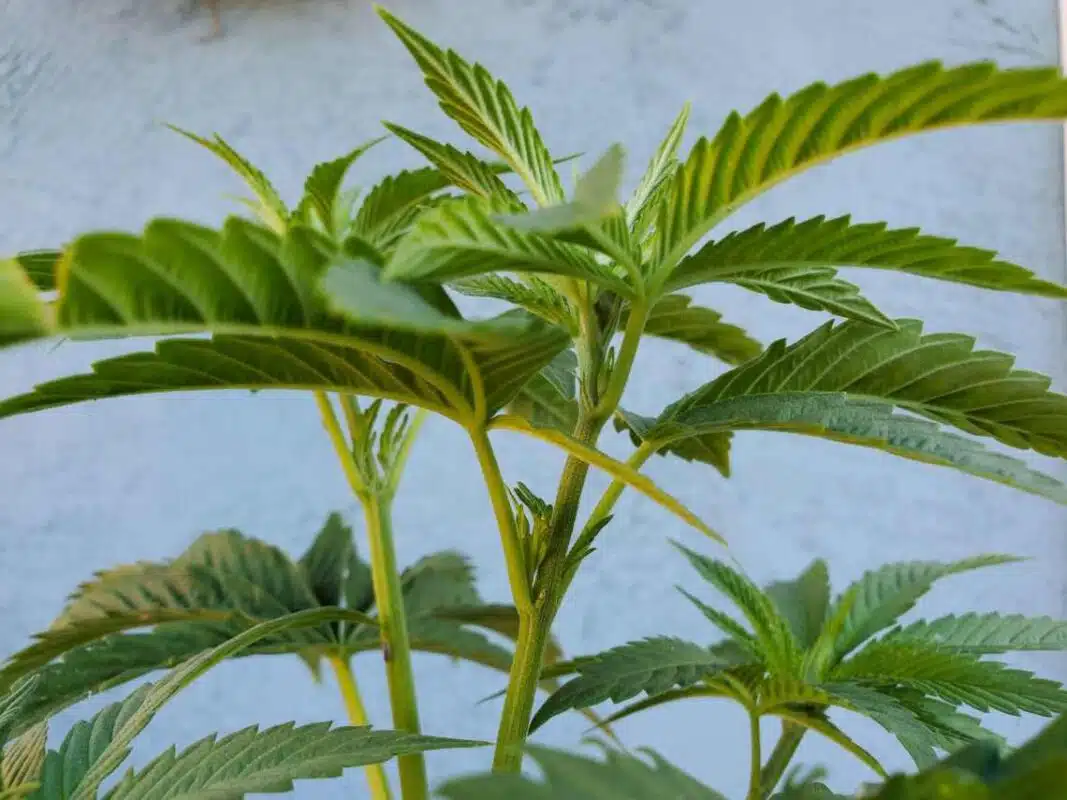
The stem connects the other plant parts with the roots. It also gives the plant structure and stability as it grows and becomes more elongated.
d) Nodes and Internodes
Nodes are where the branches extend from the stem and other branches, while internodes are the spaces you see between individual nodes.
Indica-dominant plants have narrower nodes, while sativa-dominant ones have larger internodes.
e) Stipule
Stipules form at the nodes in pairs and look like tiny, thin leaves; you can often mistake them for pistils.
f) Branches
Branches work with the stem to form the whole structure of the cannabis plant. They are covered in leaves and form a canopy, and the plants will have more or less branching later, depending on their genetics.
g) Leaves
The most recognizable features of the cannabis plant are its distinctive serrated leaves. Their primary job is to store sugar and produce other plant food through photosynthesis.
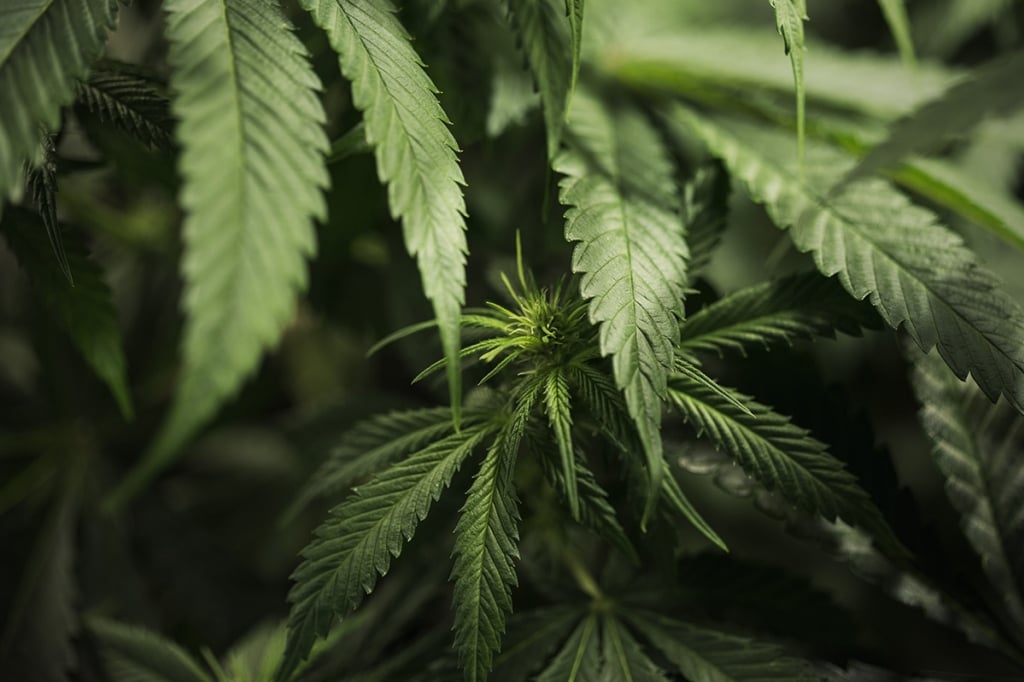
Image Source: Royalqueenseeds.com
The leaves of this plant are divided into finger-like lobes extending from the base of the leaf.
i) Sativa

Image Source: ncsu.edu
In contrast to indica leaves, which are bigger, darker, fatter, and often have fewer blades, sativa leaves are lighter and thinner and tend to have more leaves or fingers. But, again, this is merely a genetic manifestation of the two strains.
ii) Fan Leaves
The largest section of the cannabis plant is often its fan leaves. In contrast to sugar leaves, they do not have as many trichomes or cannabinoids, or terpenes. Fan leaves, however, are a crucial component of any cannabis plant.
These leaves indicate the plant’s health as diseases always show up first on them. The leaves also store water and other nutrients.
iii) Sugar Leaves
Sugar leaves grow from cannabis flowers and get their name from trichome glands. They contain a higher concentration of cannabinoids and terpenes.

Image Source: 420magazine.com
Their function is the same as that of other leaves. However, they are thinner, have fewer blades, and are shaped like a spear.
h) Pre-Sexual Structures
Pre-sexual structures, often known as “pre-flowers,” start forming as the cannabis plant ages and gets closer to flowering.
i) Flowers/Buds
Most people grow cannabis plants for their flowers or “buds,” which are the sections of the plant that contain the most cannabinoids. Their primary job is to gather pollen and make seeds.
The majority of growers wish to prevent this. The quality of the blossoms would be ruined by pollination, which would redirect the plants’ energy toward creating seeds.
j) Bracts
Bracts are tiny, modified leaves that resemble teardrops that, along with bracteoles, envelop and guard the seed pod. They appear just before blossoming and are found at the flower’s base.
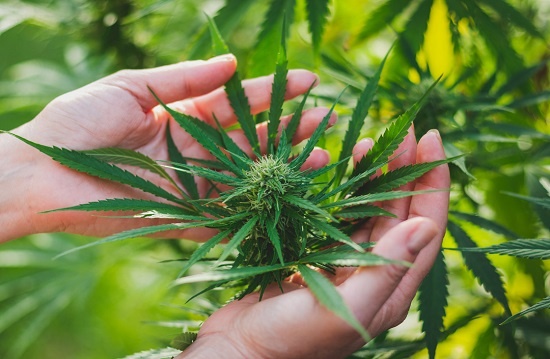
Image Source: ubaked.com
The bracts transform into an early form of the ovary or a seed incubator once the female plant is pollinated. They safeguard the seeds while they develop, ripen, and eventually separate.
k) Calyx

Image Source: icmag.com
A female marijuana plant has calyx cells, but it is not well-defined. Calyx cells are a section of the perianth, a layer of delicate tissue that partially covers the ovule.
l) Pistils and Stigmas
The female sex organs of the plant are stigmas and pistils. The stigmas are two hair-like structures that grow at the tip of the pistils, which are oval formations with only one ovule covered by bracteoles and bracts. The stigmas catch pollen during pollination.
m) Cola
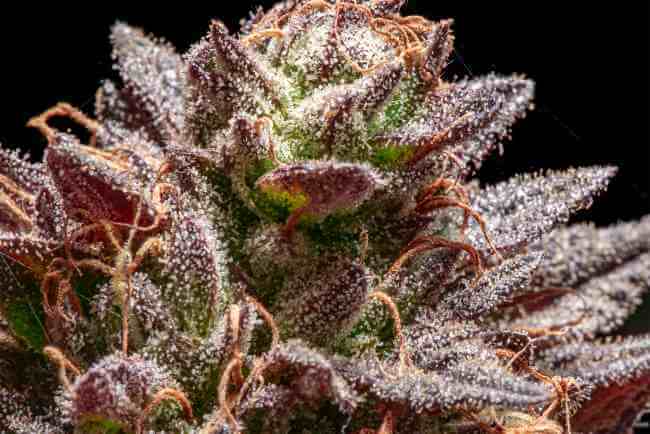
Image Source: Wikileaf.com
The full bloom on the main stalk, or “cola,” is the plant’s main bud. Cola is a collection of several floral shapes gathered together and is the plant’s biggest and heaviest flower of the cannabis plant.
n) Trichomes
Trichomes, which resemble tiny crystals and are little resin glands in the form of mushrooms, coat the buds and sugar leaves. Although the buds have most trichomes, the stems, branches, and leaves also have them.
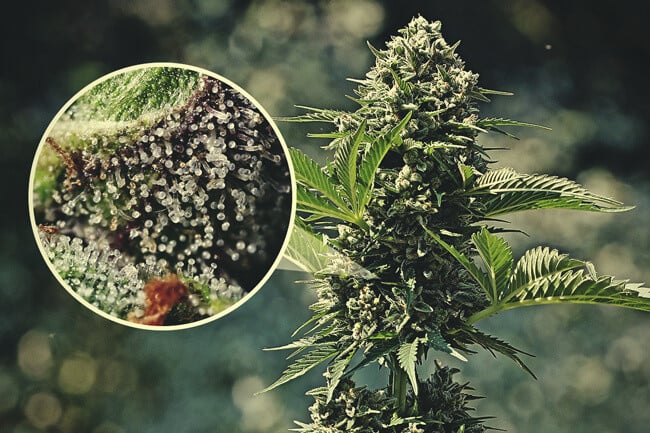
Image Source: royalqueenseed.com
Trichomes are present in both female and male cannabis plants. They create the plant’s phytochemicals, including flavonoids, terpenes, and cannabinoids.
What Are Male Cannabis Plants?
The male cannabis seeds produce pollen sacs used to pollinate female weed plants, causing the female flowers to produce seeds. However, the cannabis produced from the male plant is not usable since it does not contain any bud. Therefore, growers will tend to plant crops of female seeds if they want to cultivate marijuana into a sellable product.
Male cannabis plants are mainly used for breeding and provide 50% of the genetic material that the seeds inherit. Therefore, you will have stronger, high-quality produce with a strong male plant. Male cannabis plants also tend to have more phytocannabinoids on their leaves.
For everything a male plant is good for, from pollen and breeding to hemp fibre, see our guide to the male weed plant.
How to Tell Male and Female Plants Apart

image credit: leafwell.com
Male and female plants look similar during the seedling and vegetative phases. Then, they begin to transition in the flowering phase, where you can easily tell the plant’s gender. During this time, females produce resinous buds loaded with cannabinoids, and males develop sacs filled with pollen.
The main difference between male and female cannabis plants is that the female plants yield buds while the male plants do not. Therefore, female cannabis plants will produce usable cannabis or potent high THC buds, and male plants do not.
In addition, male weed plants or seeds will grow vertically and, in most cases, do not have branches and many leaves as the female plants do. In most cases, the male plants will appear frail and unhealthy. You will easily identify these characteristics at the development stages of the plant.
Again the female weed seeds will start to flower. Then you will notice that the plant will develop lots of hair at the end of its ramifications. The female plant will also develop a V-shaped pistil. These characteristics are not mostly visible in the male plant.
Below are some physical characteristics that help you differentiate the male and female marijuana plants.
Characteristics of Male Plants
- They have thick and strong stalks
- They have sparse or scanty leaves
- They are taller than the female plants
- They form pollen sacs with green and white flowers
Characteristics of Female Plants
- The female plants have slender or thin stalks
- They have more leaves than the male plants
- Female plants have translucent hairs in white or orange
- The plant has a V-shaped pistil with a protective layer
- Usually shorter than male plants
Where and when to look
One key similarity between male and female plants is that their sexual organs can be found in the nodes. Nodes are the parts of the plant where the main stem meets with the branches.
When the cannabis plant is around six weeks old, you can see the difference between male and female plants. Look at the nodes where the plant’s leaves, branches, and main stem meet to determine the sex of the marijuana plant.
The right time to check the gender of a cannabis plant is before it enters the flowering stage. At this time, the plant will begin to develop buds or pollen sacs around the nodes.
Usually, males show their sexual characteristics two weeks earlier than females.
Male weed plants will generate pollen sacs, which at first resemble little balls before expanding into larger clusters of oblong-shaped sacs. On the other hand, a female weed plant will generate pistils, which first resemble thin hairs before developing into more definite ovules and stigmas.
Early signs of male plants
The sexual characteristics of males usually appear during the last weeks of the vegetation stage. You can see these signs at the nodes.
To see these signs, you will need a magnifying glass to look closely at the nodes. Take note that you won’t see pollen sacs or the formation of buds.
Instead, you will begin to see the pre-flowers.
In males, these pre-flowers look like small eggs. These pre-flowers are smooth and have no fine hairs.
However, as the males enter the flowering stage, you will notice that the pollen sacs grow bigger and form dense clusters. At this point, you can see the pollen sacs even without magnification.
It will take around two to three weeks before the pollen sacs release their contents. As such, you should act quickly and discard your male cannabis plants if you do not plan to breed.
Early signs of female plants
Like males, females develop pre-flowers at the nodes.
However, their pre-flowers have fine hairs which protrude from the calyx. These fine hairs are known as pistils which are the sex organs of females.
The primary function of pistils is to capture pollen both from the air and from the insects that land on them.
Eventually, these pre-flowers grow big and develop resin.
Hermaphrodite Plants
Hermaphrodites are weed plants with both male and female flowers. Basically, these kinds of plants will produce buds, and they will also pollinate them. Hermaphroditism can arise from genetics, but more often a plant turns into a hermaphrodite when it is not well cared for or is exposed to stress such as too much water, excess heat, root rot, malnutrition, exposure to certain insects or pathogens, or badly done transplants.
Hermaphrodite female seeds grow staminate flowers that have stamens instead of pistils. The male seeds are not as common because they are not allowed to grow to their point of ripening. However, it is important to note that both female and male seeds can turn to hermaphrodites. The Thai strains are more genetically inclined to turn into hermaphrodites.
Hermaphrodites can either be true or bananas.
True hermaphrodite cannabis has male and female flowers. This type of hermaphrodite has the ability to fertilize itself and produce seeds. If you plant this type of cannabis seed, it will grow into a hermaphrodite.
Bananas, on the other hand, are so-called because of the appearance of their sexual organs.
Unlike normal males, they do not produce male flowers. Instead, they make bare stamens without sepals. Their stamens have the ability to drop the pollen into the buds to facilitate self-pollination.
Cannabis plants with mixed genders produce anthers, yellow sex organs that develop from female flowers. Anthers release pollen, which fertilizes adjacent flowers.

Image Source: 420magazine.com
Essentially, your cannabis plant can turn into a hermaphrodite to ensure that it reproduces before it succumbs to the things that stress it out.
Although the plant can fertilize the female strains, which in essence will mean great yield, hermaphrodites are not the best type of plants to grow. They can produce high-quality buds, but there is a high risk of pollinating the whole plant or the rest of your plants. So, as you get rid of the male plant, we advise you to eliminate them.
Hermaphrodite plants discharge pollen. So, if you want your female plants to stay seedless, you should rapidly remove the hermaphrodite plant from the vicinity. However, if you want to have both sexes, you can get the male and female marijuana seeds and plant them.
Using a hermaphrodite plant to pollinate your female plants is usually not a good idea, even if you want them to produce seeds. However, if you do, there’s a good chance you’ll get hermaphrodite seeds.
Can You Tell a Seed’s Sex by Looking?

Unfortunately, marijuana seeds cannot be sexed until they have germinated or grown. Therefore, it is simply impossible to tell a seed’s gender just by looking at it because cannabis seeds look identical.
As the marijuana plant develops to the flowering stage, it will clearly show signs of its gender. Most of the time, growers have a 50/50 chance of growing the female or male seeds.
That said, there is no way to be sure you will get female plants if you pull marijuana seeds from a bud and plant them. This is where feminizing cannabis seeds come in handy since it allows seed producers and growers to create only female seeds.
If you can’t tell the gender of a cannabis seed just by looking at it, are there any pieces of information that you can get from its appearance?
Can you tell the difference between feminized and autoflowering seeds from their appearance?
No. Cannabis seeds, whether they are regular, feminized, or autoflower can look essentially the same.
Seeds might look similar or different but their appearance will not tell you what type of cannabis seeds they are.
What do cannabis seed stripes mean?
Under close magnification, cannabis seeds look interesting.
There are some seeds that have no visual markings while there are some that contain stripes on their hard outer shells.
But what do these stripes mean?
Essentially, nothing. The stripes can’t tell you whether a seed is male or female, or if it is high-quality.
What a healthy seed looks like
All healthy weed seeds have the same traits: a brown colour with streaks of grey and a firm feel. Seeds with a green look with a squishy feel or crack under gentle pressure should be considered unhealthy. Although you can’t determine the marijuana’s gender by its appearance, you can find different breeders offering pre-sexed seeds.
Growing Male and Female Seeds

The first step of growing cannabis male and female plants is to have them apart. Male cannabis seeds can potentially drain female plants or even take over your garden. Typically, the male plant can over pollinate the female plants, which will eventually spot or slow down the development of the bud, severely reducing your yield.
When starting your weed breeding program, you will definitely need to have both male and female cannabis seeds. Technically plants grow alongside one another, but you should not grow male and female weed plants together. Even in the breeding program, you will require to keep the female and male plants part.
In most cases, male weed plants tend to grow faster than female marijuana plants. After fourteen days into the growth cycle, male weed plants will already be taller than female plants. Male weed plants will start the flowering stage approximately 30 days before their female counterparts.
Why Consider feminized seeds
Whether you are just dipping your toes into cultivating your own cannabis or if you are a seasoned veteran, there are plenty of reasons why you ought to consider buying feminized seeds.
Planting a regular cannabis seed can be a bit of a gamble because you don’t know if you are getting a male or female cannabis plant. Typically, a packet of regular cannabis seeds will sprout 50 percent males and the remaining are female seeds.
If you are a marijuana farmer and want more female plants, you can feminize them. You can learn how to feminize marijuana seeds and do it yourself if you are not willing to buy feminized ones.
While it is impossible to determine the sex of the weed seed, feminizing the cannabis plant is quite popular. Feminized weed seeds are marijuana seeds that are selectively bred to produce only female plants. Basically, the feminized seeds are specially bred to get rid of the male chromosomes, producing female plants rather than male plants.
When you buy feminized seeds, around 99 percent of them grow into females. Of course, it is still possible that a few develop into males or hermies. But all in all, feminized seeds provide great value, especially if you are not a breeder and you are after producing buds.
Advantages of feminized cannabis seeds
A female plant is not necessarily better than a male plant. But for most hobbyists, female plants offer the best value for your resources. If your goal is to produce buds, you should strongly consider planting feminized seeds.
Efficient use of resources
With feminized seeds, you can devote your time, energy, fertilizers, and other resources toward cultivating females instead of wasting these on males that you will eventually discard.
Plant training
When you know that most, if not all, of your crops are females, you can begin training your plants earlier without worrying that you might be wasting your time with plants that might be males.
No need to determine plant gender
While it is certainly possible for anyone to identify the gender of a cannabis plant, it does take time and effort.
If you are a newbie or someone who wants efficient use of their resources, feminized seeds allow you to skip the gender identification process.
FAQ: Male and Female Cannabis Plants
1. Can a female cannabis plant turn male?
Female weed seeds can not be turned into a male but can be turned into a hermaphrodite plant. When a female weed plant becomes hermaphroditic, it grows both male and female strains this way and can pollinate itself.
2. Why are male weed plants also Important?
Although the female plants are generally more valuable, the male marijuana plans are also important. Simply put, male cannabis plants are an important part of any good breeding program. Typically the male plants impregnate female plants by pollinating them.
The male usually develops pollen sacs that release pollen which female plants then use. The male plants offer pest control and increased potency while contributing to gene pool diversity.
3. Can you grow male and female marijuana plants together?
Male and female weed plants shouldn’t be grown together, even if they can technically coexist. If you want to harvest buds from your female cannabis plants, separate the male and female plants.
Male cannabis plants aren’t useless, though; they contribute significantly to a grower’s harvest but growing them separately allows the female ones to grow well and develop.
4. How can you tell if a plant has turned hermaphrodite?
The first and most noticeable indicator is the presence of both male and female buds on the same plant. The presence of anthers, which growers refer to as “bananas” or “nanners,” is the second indication. Finally, anthers emerge among buds, have a curved appearance, and are often yellow or lime-green.
Which seeds to buy: feminized seeds grow female plants only, regular seeds give males and females for breeding, and autoflower seeds are feminized plants that flower on their own.
In stock now
Six Atlas Seed strains, in stock and shipping now. Every pack is covered by our 90% germination guarantee.


Ready to Grow?
Shop premium Feminized Seeds with germination guarantee and free shipping.
Shop Feminized Seeds →