BC has the longest outdoor season in Canada and two completely different climates inside one province: a mild, wet coast where autumn rain rots late finishers, and a hot, dry Interior where the biggest plants in the country are grown. We ship to growers in every corner of the province, so this guide covers all of it.
Adults 19 and over may grow up to four plants per household under the federal Cannabis Act. BC’s Cannabis Control and Licensing Act adds two conditions: plants must not be visible from a public place off the property, and you cannot grow at a home that is also used as a daycare. Landlords and strata corporations may prohibit growing in a tenancy agreement or bylaws: most Metro Vancouver stratas have done exactly that, so check before you start.
For possession purposes one seed equals one gram of dried cannabis, so the 30-gram public possession limit is 30 seeds. Provincial law expects seeds for growing to come from BC Cannabis Stores or a licensed retailer; The Seed Pharm sells seeds as collectable genetics, and you are responsible for the law where you live.
How we ship within BC
Canadian orders ship from Vancouver by Canada Post in plain packaging with nothing on the outside indicating the contents. Delivery takes 5 to 7 business days. Shipping is $10, free on orders over $99; Interac e-Transfer, Visa and Mastercard are accepted. If nothing arrives within 30 days we resend once, free.
Coast or Interior: which BC are you growing in?
The coast (Vancouver, the Fraser Valley, Vancouver Island and the Sunshine Coast) is zone 8 to 9. Frost is rare after March, the summer is dry and pleasant, and the season runs to November on paper. The catch is that the rain comes back in the last half of September, right when photoperiod plants are packing on dense flower. Warm days, wet nights and a tight cola is a botrytis recipe, and once bud rot starts it moves through a flower in about 48 hours. Coastal growers win by finishing early or by choosing airy, sativa-leaning genetics that shed water.
The Interior (the Okanagan, Kamloops, the Kootenays and the Similkameen) is zone 5 to 7 with hot, dry summers, intense sun and cold nights by October. Mould is rarely the problem; frost and wildfire smoke are. A photoperiod plant started in early May in Kelowna can reach three metres and still finish by the first week of October. This is where BC’s reputation for outdoor cannabis was earned.
The North (Prince George, Terrace, the Peace) has a 95 to 120-day season. Autoflowers started indoors and moved out in June are the only outdoor plants that reliably finish.
The BC growing year
Coastal dates first, Okanagan dates in brackets. Push everything three to four weeks later in Prince George.
Stage
Photoperiod plants
Autoflowers
Start indoors
Late March (mid-April)
Any time from April
Move outside
Late April – mid-May (mid-May)
May – early July, successive runs
Vegetative growth
May – early August
First 3–4 weeks
Flowering
Early August – early October
Weeks 4–10 from seed
Harvest
Coast: by the end of September. Okanagan: to mid-October
July – September
Peak risk
Coast: rain and rot from late September. Interior: frost after October 10
Zone 8b, last frost around the end of March, first frost in early November: on paper Vancouver has a seven-month season. In practice the season ends when the rain does not stop, which is usually the last week of September. Photoperiod plants here need to be flowering by the first days of August and cut by the end of September; anything still packing on weight in October will rot. The North Shore is wetter and a week or two cooler than Richmond and Burnaby.
The other limit is housing. Most strata corporations in Metro Vancouver have bylaws restricting or banning cultivation, and a plant visible from the street or a neighbouring balcony breaks provincial law outright. The realistic Vancouver grow is a short autoflower in a tent, or a backyard plant behind a fence in a detached home east of Main or out in Burnaby.
Victoria, Saanich and the South Island
Victoria sits in the rain shadow of the Olympic Mountains: zone 9a, half the rainfall of Vancouver, frost gone by mid-March and not back until late November. It is, honestly, the best outdoor cannabis climate in Canada. Photoperiod strains that need ten weeks of flower finish here, and a plant put out in late April has time to get very large. The only caution is that summers are dry enough to need daily watering in July and August.
Nanaimo, Parksville and the Mid-Island
Similar to Vancouver but a touch drier, with the last frost in the first week of April and the first around November 1. Nine-week strains finish comfortably by the end of September; aim to have everything down before the October rain.
Campbell River, Courtenay and the North Island
Cooler and noticeably wetter as you go north on the Island. Campbell River gets about half again as much rain as Nanaimo. Zone 7b to 8a, last frost mid-April, first frost late October. Treat it like a short coastal season: eight-week finishers and autoflowers, harvested by mid-September, and open bud structure as a rule rather than a preference.
Langley, Surrey, Abbotsford and Chilliwack
The Fraser Valley is warmer in summer than the city, Abbotsford and Chilliwack regularly run 3–5°C hotter than the airport, with a last frost around April 10 and a first frost in late October. Autumn brings valley fog that sits on plants until noon, so the rot risk in October is real. Plenty of acreage and detached housing make this the easiest part of Metro Vancouver to grow outdoors legally and discreetly.
Kelowna, Vernon, Penticton and the Okanagan
Zone 6b to 7a, last frost around April 28, first frost around October 10, and hot, dry summers with thirty-degree afternoons and single-digit humidity. This is where BC grows its biggest plants: a photoperiod strain put out in mid-May can reach three metres and yield well over a kilo. Nights cool sharply in September, which the plants love, and mould is almost unheard of. The two risks are an early October frost on a plant that is not quite done, and August wildfire smoke, which can cut light for a week or more. Sativa-leaning strains that need ten weeks of flower are fine here if they go out by mid-May.
Kamloops and the Thompson
Semi-arid, windy and hot: zone 6a, last frost around May 1, first frost around October 5. Plants need shelter from the wind and a lot of water, but they finish, and nine-week strains are comfortable. Autoflowers started in May give a second harvest by late July.
Nelson, Castlegar and the Kootenays
Warm valley bottoms, cold nights and a hard frost by the first days of October on higher benches. Zone 5b to 6a. Eight-week finishers and autoflowers are the safe choices; anything longer depends on a south-facing slope and luck with the first frost.
Prince George, Terrace and the North
Around 95 frost-free days, with frost possible into the first week of June and back by early September. Photoperiod plants do not finish outdoors. Start an autoflower indoors in early May, move it out mid-June and harvest in late August, or grow indoors, where the season is whatever you set the timer to.
What finishes on the wet coast, and what finishes anywhere in BC
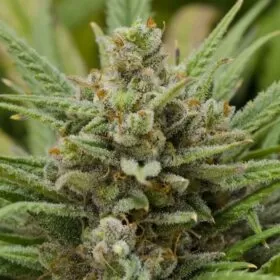
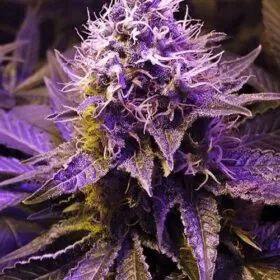
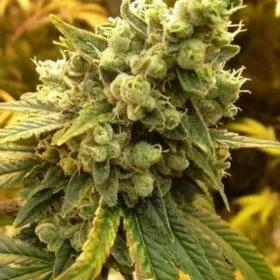
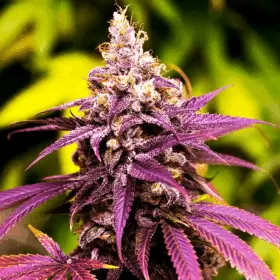
Three Atlas Seed strains in stock now: two built for a damp coastal September, one that flowers on age wherever it is planted.
Gummy Bear Autoflower
The coastal pick: bred for mold resistance
Type: Autoflower, feminized
Seed to harvest: 8 to 10 weeks
Standout trait: Mold resistance, from Atlas Star x Mythic OG
Best for: Vancouver, the Island, the Fraser Valley
Done before the autumn rain settles in, and the mold resistance is there if it does not quite make it. Resistant is not immune, so give it airflow. Lemon, parmesan and fuel.
Best for: Kelowna, Kamloops, Victoria, balconies anywhere
An Atlas Seed autoflower backcross of Wedding Cake. It flowers on age, so it finishes ahead of the autumn rain wherever it is planted. Dense cake-family flowers hold moisture, so keep air moving late in flower.
Also in stock from Atlas Seed:Grease Gun Autoflower is the gassiest auto Atlas makes, but it is slower and not listed as mold resistant, so run it in the dry Interior or indoors. Do Si Dos Feminized is Atlas Seed’s faster finishing version of the classic. Gelato 41 Feminized is a full-term plant, so on the coast it is best kept indoors.
In stock now
Six Atlas Seed strains, in stock and shipping now. Every pack is covered by our 90% germination guarantee.
Yes. Adults 19 and over may grow up to four plants per household at their residence. BC adds that plants must not be visible from a public place and cannot be grown in a home used as a daycare; landlords and strata corporations may prohibit growing. Seeds are sold as collectable genetics, and you are responsible for complying with the law where you live.
Can I grow outdoors in Vancouver?
You can, behind a fence where the plants are not visible from the street, provided your strata or landlord allows it. The weather limit is the late-September rain: have photoperiod plants flowering by early August and harvested by the end of September, or grow autoflowers that finish in August.
When do I put plants outside in BC?
Late April on the South Island and in Vancouver, early to mid-May in the Fraser Valley and the Okanagan, mid-May in Kamloops and the Kootenays, and mid-June in Prince George. Start seeds indoors three to four weeks earlier.
Which strains work best on the coast?
Sativa-leaning strains with open, airy flowers, and fast autoflowers. Dense indica colas are the plants that rot in a wet October. Durban Poison, Blue Dream and the Haze family shed water; Afghani-type indicas need to be finished by mid-September.
How long does shipping take within BC?
Canadian orders ship from Vancouver, and delivery takes 5 to 7 business days. Delivery is guaranteed: if an order has not arrived within 30 days, we resend it once, free. Orders over $99 ship free.
Seeds are sold as collectable genetics. Cultivation is regulated by the Cannabis Act and BC’s Cannabis Control and Licensing Act; grow only where you are legally permitted to, and check your tenancy agreement or strata bylaws. Frost dates are long-term averages and vary year to year. Buyers must be 19 or over.
Shopping for cannabis seeds in BC? British Columbia has the longest cannabis cultivation history in Canada, and The Seed Pharm proudly ships premium genetics to growers across the province. From Vancouver Island to the Okanagan, BC's diverse climates offer incredible growing opportunities.
Growing Cannabis in BC ↓
BC Cannabis Regulations
British Columbia follows federal cannabis laws: adults 19+ can grow up to 4 plants per household. BC has some of Canada's most cannabis-friendly culture, with decades of cultivation expertise in regions like the Kootenays and Vancouver Island.
Okanagan Valley - Hot, dry summers; excellent for sativas
Vancouver Island - Coastal humidity; fast-finishing indicas work best
Interior/Kootenays - Legendary grow region; most strains thrive
Best Strains for BC Growers
BC God Bud was literally bred for this province. Pink Kush handles coastal humidity well. The Okanagan's warm climate suits Sour Diesel and longer-flowering sativas. Coastal growers should prioritize mold resistance: Northern Lights and Critical Mass are reliable choices.
Shipping Across BC
Fast shipping to Vancouver, Victoria, Kelowna, Kamloops, Nanaimo, Prince George, Chilliwack, Abbotsford, and all BC communities. Canadian orders ship from Vancouver and arrive in 5 to 7 business days.
BC FAQs ↓
Can I legally grow cannabis in BC?
Yes. Adults 19+ in British Columbia can grow up to 4 cannabis plants per household. Seeds must be from a legal source, and plants cannot be visible from public spaces.
What strains grow best in BC's climate?
BC's coastal regions need mold-resistant strains (Northern Lights, Critical). Interior BC and the Okanagan can grow almost anything. Autoflowers work province-wide for guaranteed harvests.
When is the best time to plant outdoors in BC?
Plant after last frost—typically late April to mid-May in southern BC. Target harvest by early October before fall rains increase mold risk.