Adelaide shares Perth’s dry Mediterranean advantage with a shorter, sharper heat profile. Low humidity means you can grow dense flowers safely, but Adelaide heatwaves are more severe than most growers plan for.
Adelaide is the second-best outdoor cannabis climate in the country for the same reason Perth is the best: dry summers, low humidity through the flowering window, and minimal bud rot pressure. You can grow the dense, resinous genetics that east coast growers have to avoid.
The difference from Perth is the shape of the heat. Adelaide gets concentrated heatwave events (consecutive days above 40°C, often with hot northerly wind off the interior) rather than sustained moderate heat. A plant that would coast through a Perth summer can be visibly damaged in a single Adelaide heat event if it is unprotected.
The Adelaide growing year
Windows below are for photoperiod plants grown outdoors from seed. Autoflowers run on their own clock and can be started outside these dates.
Stage
When
Sow
September – October
Vegetative
October – December
Flowering
December – March
Harvest
March – April
Peak risk
Heatwave events, January – February
Heatwave events and hot northerly wind
The hot northerly is the specific thing to plan for. Wind plus 42°C strips moisture from leaves faster than roots can replace it, and a plant in a black pot on a west-facing wall will not survive three consecutive days of it. Wind protection matters as much as shade here. The Adelaide Hills run several degrees cooler with genuine frost risk into October, so treat Stirling and Aldgate as a different climate from the plains.
What holds through a 43-degree week
Chosen for structure and finishing time against Adelaide conditions, not for THC percentage.
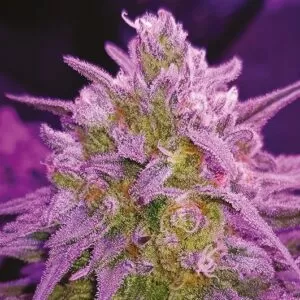
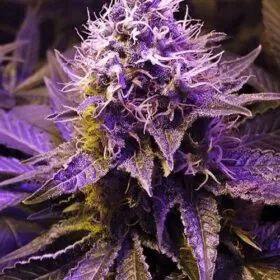
Critical Purple
The most heat-durable pick
Type: Indica-dominant
Flowering: 8–9 weeks
Heat tolerance: Strong
Rot resistance: Fine here
Holds through consecutive extreme days better than most and finishes fast enough to be off the plant before any autumn rain. The obvious default for an Adelaide plains grow.
Take advantage of the dry air. Tight, heavy flowers are a genuine liability in Sydney or Brisbane and a straightforward pleasure in Adelaide: provided you get it through January.
The Hills are cooler and damper than the plains, which shifts the risk profile back toward mould and a slower finish. An open-structured sativa handles that better than a dense indica does.
South Australia was the first Australian jurisdiction to introduce civil penalties for minor cannabis offences, and has historically used expiation notices, on-the-spot fines rather than criminal charges, for small-scale personal possession. That framework has been narrowed considerably over time, and cultivation penalties in particular were tightened; artificially cultivated plants are treated far more seriously than they once were. Do not rely on South Australia’s historical reputation as a guide to current law. Importing seeds remains a Commonwealth offence.
This is a plain-language summary, not legal advice, and drug law changes. Check the current South Australia legislation before you act on any of it.
Getting seeds to Adelaide
We do not publish an Australian delivery time yet. The practical planning note for South Australia is heat rather than transit: seedlings transplanted into a January heatwave rarely recover, so order by late August, sow in September, and get plants established while the weather is still mild.
Everything goes out in plain packaging with nothing on the outside indicating the contents, and if nothing arrives within 30 days we resend once, free.
We do not have an Australian warehouse. Any seed bank claiming same-week local dispatch to Adelaide is almost certainly shipping from the same place we are.
What Adelaide growers ask
How do I protect a plant through a 43°C day?
Shade cloth from late morning, wind protection on the northern side, heavy mulch, and water early rather than at midday. Pots are far more vulnerable than plants in ground: if you can only do one thing, get the pot out of direct afternoon sun.
Are the Adelaide Hills worth it?
Cooler nights improve colour and terpene expression, and the summer is gentler. You trade that for a shorter season, genuine frost risk in spring, and more autumn damp. Choose faster-finishing or open-structured genetics if you are up there.
Is South Australia really more relaxed about this?
It was, historically, and that reputation has outlived the reality. Cultivation in particular is treated seriously now. Read the current legislation rather than relying on what was true in the 1990s.