
Sep
How To Grow Marijuana Seeds
When to Harvest Autoflowers: Check 3–5 Colas and Read Trichomes
That usually lands somewhere in the 8 to 12 week seed-to-harvest window, but the number of days is only a rough guide. The plant tells you the real answer, so check trichomes under magnification before you touch the shears.
TL;DR:
- Trichomes should be checked periodically, starting around week 6, with most finishing 8 to 12 weeks from seed based on strain genetics.
- Harvesting when most trichomes are cloudy with light amber best balances THC potency and clarity of effects.
- Buds feel dense, spring back under slight pressure, and are coated in resin when they are ready to harvest.
- Checking multiple colas and sampling different sites reduces the risk of premature or late harvest.
- Strains like AK autoflower are reliable for shorter cycles, while Honey OG and Purple Haze offer indica and sativa profiles with different visual and aromatic cues.
Table of Contents
- When to harvest autoflowers: how to read trichomes
- Pistils, bud density and other signs autoflowers are ready
- Autoflower harvest timeline: realistic windows by age and strain
- Pre-harvest prep: flushing, dark periods and the final chop
- Common harvest timing mistakes and how to fix them
- Why trust this guidance on autoflower harvest timing
- Speed, yield, or effect: pick your harvest priority
- Start with strong genetics from Theseedpharm
- Sources
- FAQ
When to harvest autoflowers: how to read trichomes
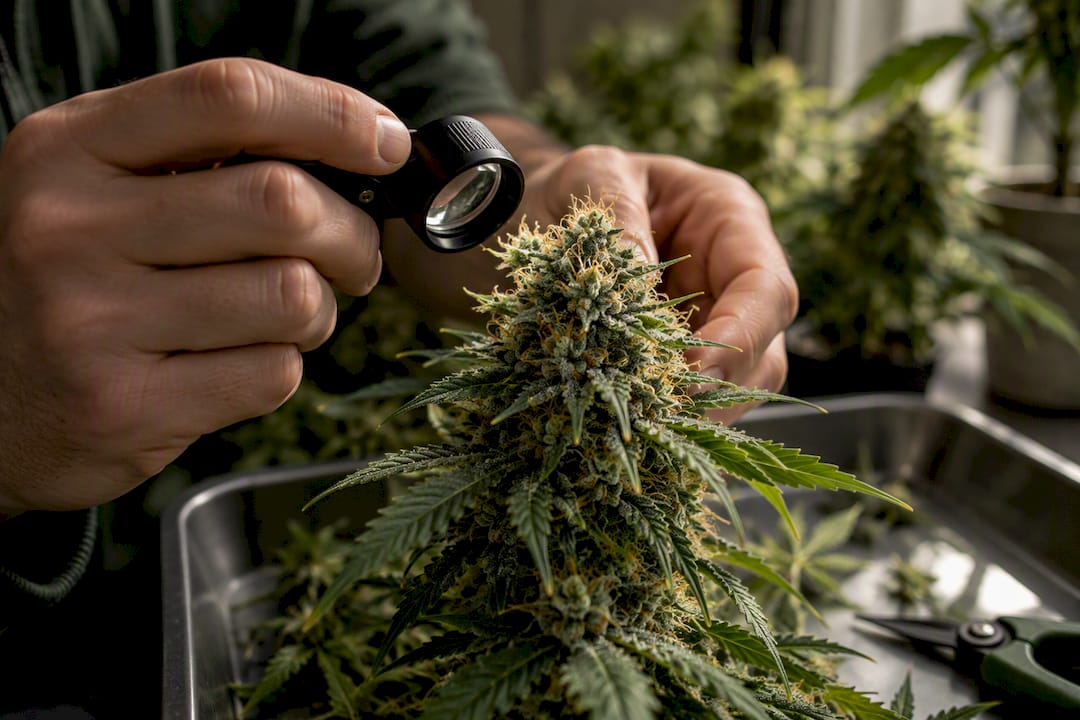
Trichomes go through three visible stages, and each one changes what the smoke actually feels like. Clear trichomes mean the plant isn’t ready. They look like tiny glass mushrooms and the cannabinoids inside haven’t finished converting. Cloudy or milky trichomes signal peak THC content and the alert, energetic effect most growers chase. Amber trichomes mean the THC has started degrading into CBN, which pulls the effect toward something heavier and more sedating. Practical grow guides generally recommend chopping once most trichomes are cloudy with a light dusting of amber, which balances potency with a clear-headed high.
You need real magnification to see this properly. A pocket microscope gives a steadier, brighter view if your hands aren’t rock solid. A USB microscope plugged into your phone or laptop is the easiest option for anyone whose eyesight isn’t what it used to be, since you’re reading a screen instead of squinting through a tiny lens.
Don’t judge a plant by one bud. Sample from several spots:
- The main cola, since it usually ripens fastest and shows changes first.
- Two or three secondary colas lower on the plant, which often lag behind by several days.
- The sugar leaves poking out of the bud itself, not just the calyxes.
Checking three to five sites and averaging what you see gives a far more honest picture than one glance at the top bud. Once you’re within two weeks of your strain’s expected finish, check every two to three days rather than waiting a full week between looks.
Pro Tip: Take a close-up photo of the same cola every 48 to 72 hours, ideally with the loupe held at the same distance and angle each time. Compare the photos side by side. Trichome shifts are gradual day to day but obvious once you line up three or four images in a row.
Pistils, bud density and other signs autoflowers are ready
Pistils are the hairlike strands poking out of the calyxes, and they shift from white to orange, red, or brown as the plant matures. Pistils alone aren’t reliable enough to harvest by, since environmental stress can darken them early, but paired with a trichome check, that combination cuts down on false positives.
Bud density and feel matter too. A ready bud has some give under light pressure but springs back rather than staying squashed. It also feels noticeably heavier and firmer than it did two weeks earlier, almost like it’s been packed tighter from the inside. An immature bud feels loose and fluffy by comparison, with visible gaps between the calyxes.
A few more cues worth watching for:
- Leaf yellowing lower on the plant is usually normal senescence, the plant pulling nitrogen out of older leaves to fuel bud development in its final weeks.
- Yellowing paired with curling, spotting, or a sudden drop in leaves points to stress or a nutrient problem instead, and needs a different fix than “it’s almost done.”
- Sticky, resin-heavy buds that leave residue on your fingers signal strong terpene and cannabinoid production.
- A sharper, more distinct aroma in the final two weeks is another confirmatory sign that the plant is winding down its growth phase and concentrating on resin.
Autoflower harvest timeline: realistic windows by age and strain
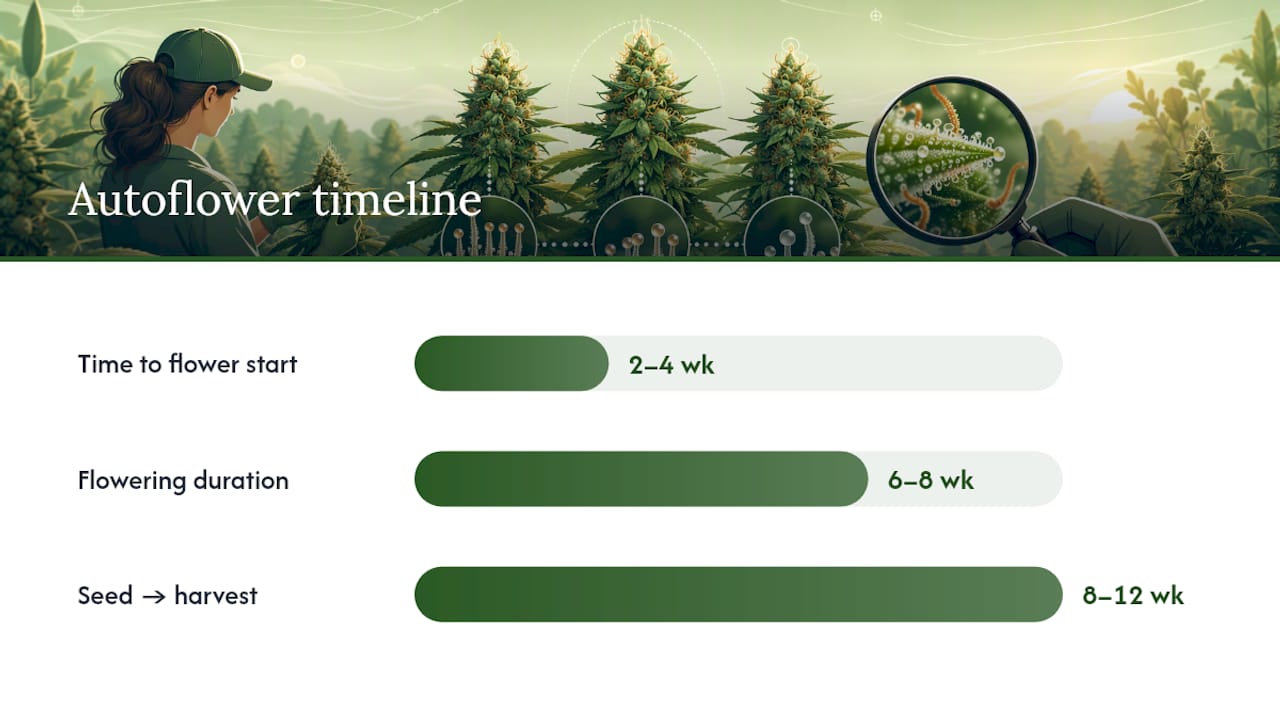
Autoflowers finish on an internal clock rather than a light schedule, which is the whole point of the genetics. Cannigma explains that ruderalis-derived autos start flowering two to four weeks after germination regardless of how much light they get, and the full cycle from seed to harvest generally runs 8 to 12 weeks. Flowering itself typically takes 6 to 8 weeks once it starts, though that range shifts depending on the specific strain’s genetics and growing conditions.
Breeder estimates aren’t marketing fluff. They come from actual grow cycles under controlled conditions, and strain pages usually list a flowering window you can use as a starting point for your own monitoring schedule. Checking the breeder’s estimated timeline for your specific strain before you plant saves you from either checking trichomes too early or missing the window entirely.
A simple schedule that works for most autoflower grows:
- Weeks 1 through 5, focus on vegetative and early flowering growth. No trichome checks needed yet.
- Around week 6, start looking at trichomes weekly just to get a baseline and confirm the plant is tracking toward its expected finish.
- Once trichomes start turning cloudy, usually somewhere between week 6 and week 8 depending on the strain, shift to checking every two to three days.
- In the final week before your planned harvest, check daily and sample multiple colas each time.
This shift from casual weekly glances to disciplined, frequent checks is the single biggest thing separating growers who nail their harvest window from growers who guess and hope.
Pre-harvest prep: flushing, dark periods and the final chop
The two weeks before harvest matter almost as much as the harvest itself. Many growers stop heavy nutrient feeding one to two weeks out, a practice usually called flushing, though how much it actually improves flavour depends on your growing medium and how heavily you were feeding to begin with. Soil grows with organic amendments generally need less aggressive flushing than coco or hydro setups running synthetic nutrients.
Watering also needs to taper. Cutting back on heavy watering 48 to 72 hours before the chop helps the plant use up stored moisture, which some growers believe improves the smoke. If you’re in a very light, fast-draining medium, don’t let the plant go bone dry. Stressed roots this late in the game don’t help anything.
Some growers also use a 24 to 48 hour dark period right before harvest, cutting all light to the plant. The evidence for this boosting resin or potency is thin and mostly anecdotal, so treat it as optional rather than essential.
Cut-day checklist:
- Sterilize your shears or scissors with rubbing alcohol before you start.
- Set up your drying space ahead of time, aiming for roughly 60°F to 70°F and 45% to 55% relative humidity.
- Decide whether you’re trimming wet (right after the cut) or dry (after a few days hanging), since each affects drying speed and final trim quality differently.
- Cut the largest colas first if you’re staggering harvest across a few days.
Pro Tip: Label each branch with the date it was cut, especially if you’re harvesting a plant in stages over several days. It sounds excessive until you’re three jars deep in curing and can’t remember which batch went in first.
For the drying and curing steps that come right after the chop, this guide on drying and curing walks through humidity control and jar-curing in more detail.
Common harvest timing mistakes and how to fix them
Harvesting too early is the most common mistake new growers make, usually out of impatience. It produces light, airy buds with a grassy, underdeveloped flavour and noticeably weaker effects because the cannabinoids never finished converting. Harvesting too late swings the other way: trichomes go heavily amber, THC degrades into CBN, and the high shifts from sharp and clear to heavy and sedating, sometimes accompanied by a loss of the brighter terpene notes.
If some colas look ready and others clearly aren’t, staggered harvesting solves the problem. Cut the top cola first, then leave the plant standing another few days to let the lower buds catch up. This works especially well on autoflowers with uneven canopy development.
When you’re genuinely unsure whether a bud is stressed or actually ripe, don’t trust a single glance:
- Check trichomes on at least three different colas before deciding anything.
- Compare pistil colour across the same three sites, not just the most obvious one.
- If time is tight and you can only harvest part of the plant now, prioritize the bud sites showing the most mature trichomes and let the rest ride a few more days.
Why trust this guidance on autoflower harvest timing
Theseedpharm carries over 200 cannabis strains, including a wide autoflower lineup, and every batch goes through a seed inspection process backed by a 90% germination guarantee. That matters here because reliable genetics are the starting point for predictable flowering timelines. Shipping across Canada, the US, and Australia is discreet and tracked, which covers the privacy side once you’ve placed an order.
For readers who want to go deeper on any single stage, the flowering stage guide covers the full cycle in more detail, and the first signs of flowering guide is useful earlier in the grow, well before harvest checks become relevant.
Speed, yield, or effect: pick your harvest priority
Beginners and stealth growers usually do best chopping right when trichomes turn mostly cloudy. It’s the safest, most forgiving window and gets the plant out of the tent fastest. Growers chasing a heavier, more sedating effect can push a few extra days for more amber, accepting some terpene trade-off in exchange. When you’re torn, sample three or four colas and average what you see rather than trusting the one bud that happens to be closest to the light.
The
Start with strong genetics from Theseedpharm
Reading trichomes only pays off if the seed you planted was worth the wait.
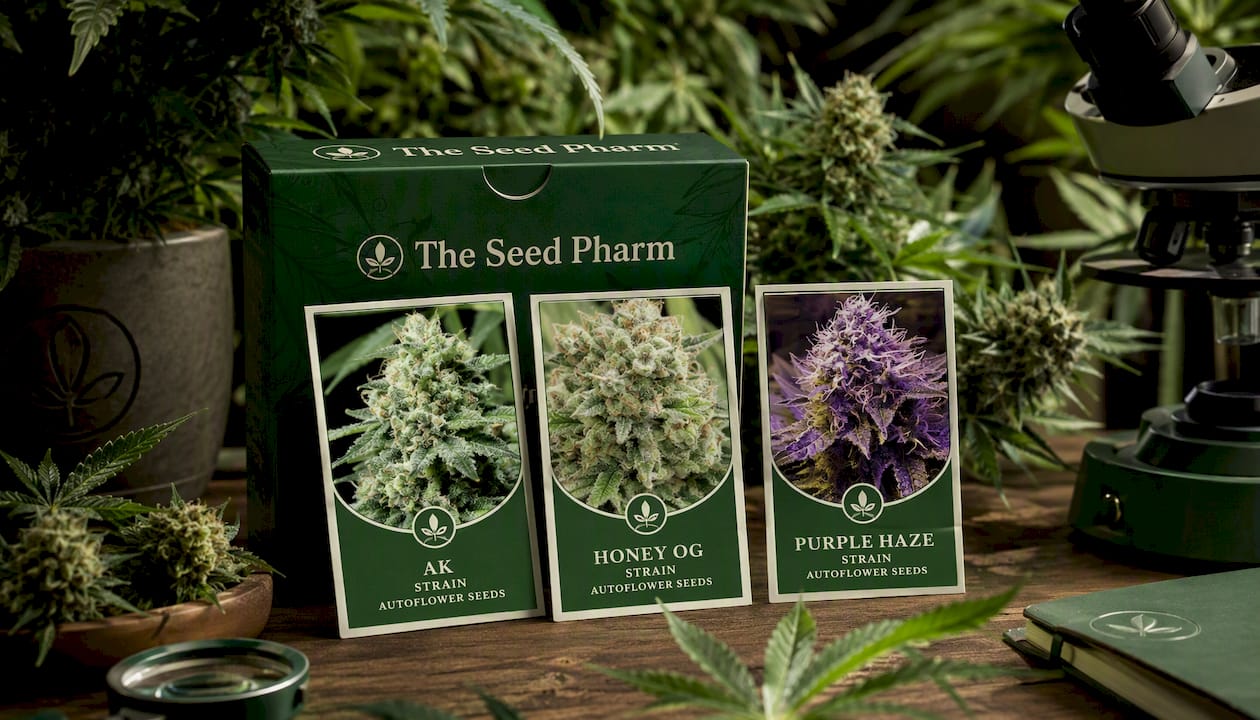
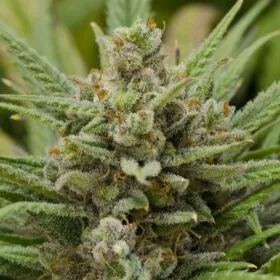
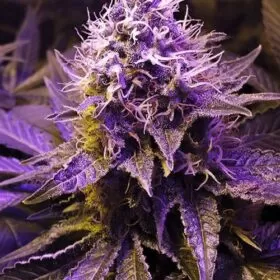
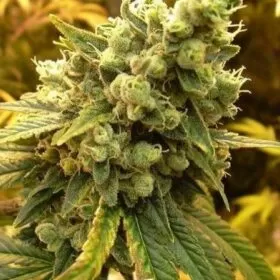
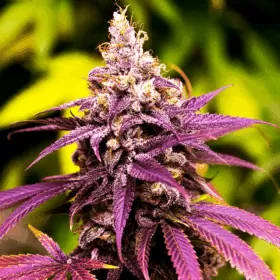
The AK autoflower seeds suit growers who want a compact plant with a quick, predictable finish, ideal if you’re checking trichomes for the first time and want less room for error. The Honey OG autoflower seeds lean indica-dominant with heavier resin production, so watch for that sticky, resinous feel described earlier as one of your confirmatory harvest cues. The Purple Haze autoflower seeds run more sativa-leaning with a stronger terpene profile, worth harvesting a touch earlier if you want to preserve that sharper aroma. Each strain page lists breeder-estimated flowering windows, so check those before you plant and set your monitoring schedule around them. Browse the full seed catalogue to compare genetics and see current offers, including free seeds on qualifying orders.
Sources
- Cannigma. Cannabis ruderalis and its game-changing autoflowering trait
- The ultimate guide on when to harvest autoflower. Mars Hydro
FAQ
How can you tell when an autoflower is ready to harvest?
Check trichomes under a loupe or microscope: harvest once most have turned cloudy with a bit of amber mixed in.
What do autoflower buds look like when they’re ready?
Ready buds feel dense and firm with some spring-back under light pressure, coated in sticky resin, and most pistils have curled and darkened from white to orange or brown. The trichomes covering the calyxes look milky and opaque rather than glassy clear.
When should you start checking autoflowers for harvest?
Start weekly trichome checks around week 6 of flowering, then shift to checking every two to three days once you see the first cloudy trichomes appear, usually between week 6 and week 8 depending on the strain. Most autoflowers finish 8 to 12 weeks from seed, based on Cannigma’s research, but trichome colour is what actually decides the day.
What happens if you harvest autoflower buds too early?
Early harvest gives you light, airy buds with a grassy taste and noticeably weaker effects, since the cannabinoids haven’t finished converting inside the trichomes. It’s the most common mistake among first-time growers who chop based on days rather than checking the plant itself.
Does Theseedpharm sell autoflower strains with listed flowering times?
Yes, Theseedpharm carries autoflower strains including AK, Honey OG, and Purple Haze, each with a dedicated product page. Current pricing and breeder flowering estimates are listed on the site rather than fixed in any general guide.
Recommended
- The All-in-One Guide to Cannabis Flowering Stages
- How to Harvest Marijuana Plant for Maximum Yield
- First Signs of the Flowering Stage Guide for Cannabis
- The Ultimate Guide to Autoflower Cannabis Weed
Two autos to practise on: Gummy Bear Autoflower and Grease Gun Autoflower. Grease Gun is slower than most autos, so it is the one to harvest on the trichomes, not the calendar.
In stock now
Six Atlas Seed strains, in stock and shipping now. Every pack is covered by our 90% germination guarantee.


Ready to Grow?
Shop premium Autoflower Seeds with germination guarantee and free shipping.
Shop Autoflower Seeds →