
Sep
How To Grow Marijuana Seeds
Verify the COA: Myrcene Strains Often Exceed 20% for Medical Users
Myrcene-rich cannabis genetics are widely linked to the heavy, sedating relaxation effect people call “couch lock,” and preclinical research backs up a real anti-inflammatory and pain-relieving mechanism, though human trials remain thin. The practical move is to stop guessing from a strain name and check the certificate of analysis (COA) instead, then start with a low dose and titrate upward. Several seed lines bred toward myrcene-forward aroma profiles are available, giving growers a legitimate starting point.
TL;DR:
- Checking a lab’s terpene panel on a certificate of analysis is essential since breeders can vary myrcene content even within the same strain.
- Animal studies show myrcene’s potential for pain relief and anti-inflammation, but clinical evidence in humans remains limited and unproven.
- High myrcene levels in flower often exceed 20%, and aroma cues like mango or hop-like scents can suggest a myrcene-forward profile, but require lab verification.
- Combining high-myrcene strains with THC can increase sedation and impair reaction times, so caution is advised, especially for medication users.
- Reputable seed banks provide batch-specific COAs; avoid strains marketed as high in myrcene without lab confirmation to prevent relying on misleading claims.
Table of Contents
- What is myrcene and how common is it in cannabis?
- What the evidence actually says about effects and safety
- How to verify a strain or product is actually high in myrcene
- Practical seed options bred toward myrcene-forward profiles
- Medical guidance: start low, titrate, and watch for interactions
- Historical and cultural uses of myrcene-rich cannabis strains
- Why the “magic terpene” narrative undersells the real story
- Get myrcene-forward genetics from a seed bank that shows its work
- Sources
- FAQ
What is myrcene and how common is it in cannabis?
Beta-myrcene is a monoterpene, one of the aromatic oil compounds that gives cannabis its scent before you even open the jar. It shows up in hops, lemongrass, and mango too, which is why myrcene-heavy flower often carries that earthy, resinous smell with a faint tropical or hoppy edge. Beer brewers and perfumers have used the same compound for its musky, herbal note for far longer than the cannabis industry has cared about terpene panels.
What makes myrcene worth knowing by name is its sheer volume in the plant. It is commonly the most abundant terpene in commercial cannabis samples, often making up more than 20% of a flower’s total terpene profile. That is not a niche trait confined to a handful of exotic cultivars. It is the default.
A few things follow from that:
- Myrcene appears across indica, sativa, and hybrid labels alike, so the old indica/sativa framework tells you almost nothing about actual myrcene content.
- Breeders can select for myrcene expression, but batch-to-batch variance within the same cultivar is still normal.
- A “high-myrcene strain” is really a phenotype tendency, not a guarantee stamped on every seed packet.
That last point matters more than most buying guides admit. Two plants grown from the same seed line can finish with noticeably different terpene ratios depending on light, nutrients, and harvest timing.
What the evidence actually says about effects and safety
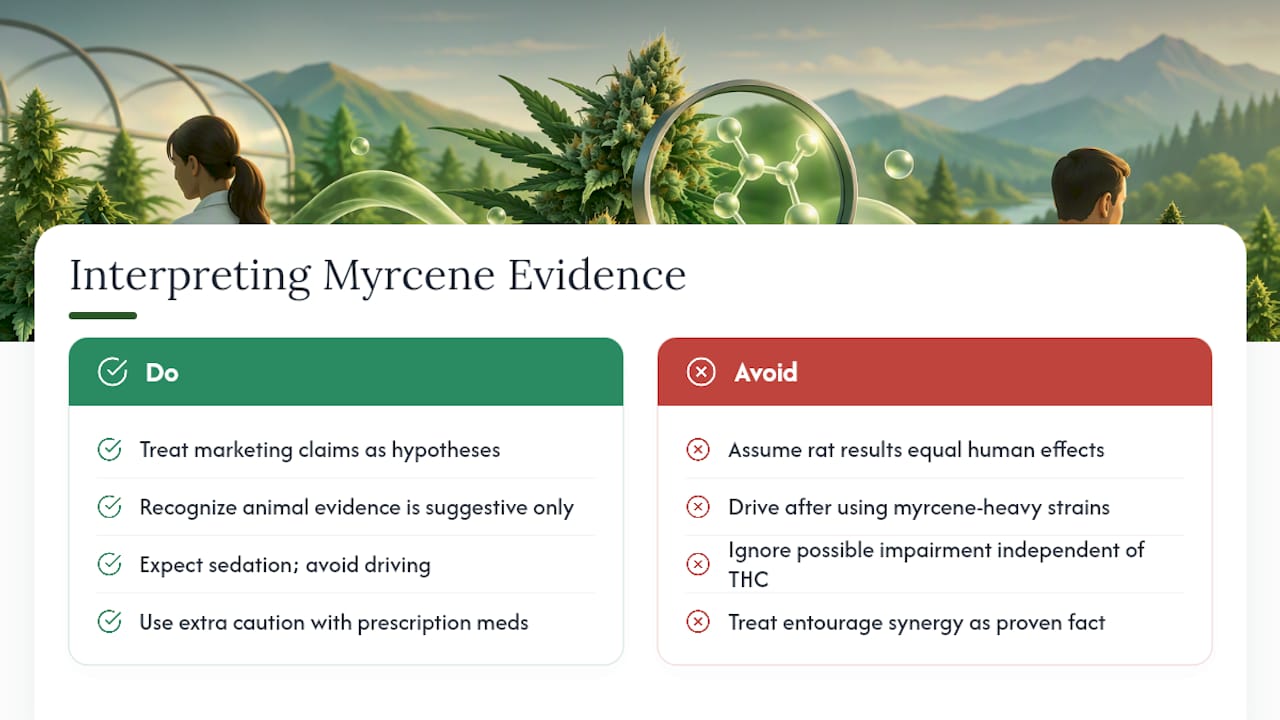
Animal research gives myrcene a genuinely interesting résumé. Studies in rodent models found that myrcene reduced pain and inflammation in a monoarthritis model, working at least partly through cannabinoid-receptor pathways. Other toxicology reviews note anxiolytic and analgesic properties showing up consistently in animal work, alongside suggested involvement with TRPV1 signalling, the same receptor family implicated in how the body senses heat and pain.
Myrcene often accounts for a significant portion of the terpene content in tested cannabis flower — a figure that helps explain why so many “relaxing” strain reports converge on similar sedating, body-heavy language regardless of the strain’s marketed name.
Here is where a dose of caution belongs, though. The jump from “reduced inflammation in a rat’s paw” to “will calm your anxiety before bed” is a big one, and it has not been closed by solid human clinical trials. A comprehensive review of the so-called entourage effect concluded that while the biological plausibility is there, clinical evidence for terpene-cannabinoid synergy in humans stays limited and largely unproven. Treat marketing claims about “myrcene unlocking THC’s full potential” as a hypothesis, not a settled fact.
Safety concerns deserve equal weight. Myrcene contributes to sedation on its own, and some research links high terpene exposure to impaired divided attention and reaction times in simulated driving tasks, independent of THC. Combine a myrcene-heavy strain with THC and the sedating, impairing effect tends to compound rather than cancel out. Anyone on prescription medication should treat that combination with real caution, not just casual awareness.
How to verify a strain or product is actually high in myrcene
A COA, short for certificate of analysis, is the lab report that lists exactly what a batch of flower contains, including a terpene panel broken down by compound. Without one, “high myrcene” is just a marketing phrase somebody attached to a strain name.
Here is what to check when a COA is in front of you:
- Look for a terpene panel, not just cannabinoids. Some COAs only test THC and CBD; a real terpene breakdown will list myrcene by percentage of dry weight.
- Check the test date and batch number. Terpene content degrades over time and varies batch to batch, so a COA from six months ago tells you little about the jar in front of you now.
- Confirm lab accreditation. An unnamed or unlicensed lab is a red flag worth walking away from.
- Be wary of vague single-sample claims. One test result presented as if it applies to every future harvest of that strain is misleading, not informative.
Pro Tip: If a seed bank or dispensary can’t produce a batch-specific COA on request, that’s your answer. A reputable supplier expects the question and has the paperwork ready. Groups that specialize in ingredient verification, including aromatic compound testing methods used in adjacent industries like aromatherapy, rely on the same GC/MS principle: you test the actual batch, not the category.
Practical seed options bred toward myrcene-forward profiles
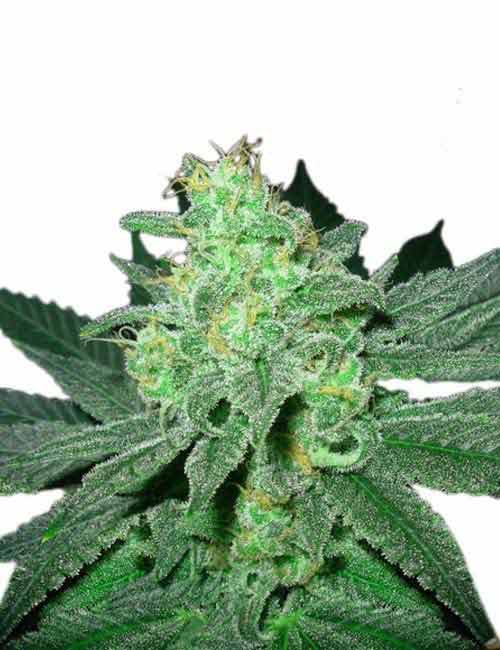
You can spot myrcene-leaning genetics before lab results even come back, if you know what to look for. Mango, hop-like, or heavy resinous aromas are a decent visual and olfactory clue, though never a substitute for an actual COA once flower is cured.
Among some seed catalogues, a few options line up well with myrcene-forward characteristics and different use cases:
- Pineapple Express Strain Regular Seeds carry the tropical, fruity terpene signature commonly associated with myrcene-rich phenotypes, sold as regular seeds for growers who want to work with both male and female plants, including breeding projects.
- Best Mango Strain 1:1 CBD seeds pair that same mango-leaning aroma profile with a balanced 1:1 CBD:THC ratio, a combination worth considering for medical users who want the relaxation associated with myrcene without a heavy THC dose.
- Jack Herer 1:1 Strain CBD Seeds offer another balanced CBD:THC option built on a classic genetic line, suited to users who want steady, functional relief rather than an intense psychoactive effect.
Seed type matters as much as terpene profile when you’re choosing. Regular seeds suit growers comfortable managing male plants and doing their own selection, feminized seeds remove that guesswork for a straightforward grow, and CBD-forward lines like the two above suit anyone prioritizing therapeutic use over recreational potency. If you’re new to growing, pairing a myrcene-forward pick with advice for beginner-friendly strains will save you a season of frustration.
Medical guidance: start low, titrate, and watch for interactions
Inhaled cannabis, whether smoked or vaporized, produces effects within minutes and peaks fast, which makes it easier to titrate than an edible that can take over an hour to show its full effect. Start with a single inhalation, wait at least ten to fifteen minutes, and assess before taking more.
Myrcene and THC both interact with the body’s drug-metabolizing CYP enzymes, and THC carries documented drug interaction risk for patients on multiple medications. Anyone taking sedatives, blood pressure medication, or anything metabolized through the liver should talk to a clinician before combining it with a myrcene-heavy product.
Watch for these signs during your first sessions:
- Excess sedation or grogginess that outlasts the intended window
- Cognitive fog that interferes with driving or work
- Drops in blood pressure, especially standing up too fast
- Gastrointestinal discomfort
Pro Tip: Keep a simple log of strain, dose, and how you felt two hours later. Myrcene’s sedating effect is dose-dependent and highly individual, so your own notes will teach you more than any generic guide.
Historical and cultural uses of myrcene-rich cannabis strains
Myrcene has been part of human plant use long before anyone isolated it in a lab. Hop farmers and brewers have relied on myrcene’s earthy, slightly spicy character in beer for centuries, and lemongrass carrying the same compound has shown up in traditional teas and folk remedies across parts of Asia and Africa aimed at calming digestion and easing sleep. That overlapping history is part of why myrcene-heavy cannabis got tagged early on with a reputation for heaviness and sedation. Old-school cannabis culture in Jamaica, Mexico, and later California cultivated landrace strains prized for their “body high,” long before anyone had the equipment to confirm which terpene was actually responsible.
Mango has its own small legend attached to it. Anecdotal reports circulating through cannabis communities for decades claimed eating a ripe mango before smoking would intensify or extend the high, since mango flesh itself contains myrcene. The science behind that specific claim is thin, but it shows how deeply myrcene’s aroma and effect got woven into consumer folklore long before terpene panels existed. Strains bred for a fruity, mango-forward smell, including several Theseedpharm carries today, trace their popularity partly back to that cultural association between scent and relaxation. Vaporizing at lower temperatures, generally in the range where myrcene’s boiling point sits well below THC’s, has become a common technique among experienced consumers looking to preserve that specific aroma and its associated calming effect rather than burning it off entirely.
Why the “magic terpene” narrative undersells the real story
Cannabis marketing loves a clean story, and “eat a mango, get more stoned” or “high-myrcene strains guarantee couch lock” are exactly the kind of tidy claims that spread fast and get repeated as fact. The actual research paints something less dramatic and more useful: myrcene has real, mechanistically plausible effects shown in animal studies, but the leap to guaranteed human outcomes just is not supported yet.
What gets underestimated is how much batch variance and individual body chemistry matter compared to strain name. Two jars labelled with the same cultivar can behave differently depending on cure, storage, and the grower’s own selection choices. That is a less exciting message than “this one strain will fix your insomnia,” but it is the honest one, and it is exactly why COA literacy matters more than brand loyalty to a strain name.
This approach can include inspecting seed batches for quality and backing orders with a germination guarantee, so growers at least start with reliable genetics rather than a gamble. Readers exploring terpene-forward cultivation should treat any specific health claim, including the ones in this article, as a starting point for their own research and conversation with a healthcare provider, not a substitute for either.
Get myrcene-forward genetics from a seed bank that shows its work
There are other ways to chase a specific terpene profile, from trading clones with other growers to gambling on unverified strain names at a dispensary counter.
If aroma and relaxation are the goal, Pineapple Express Strain Regular Seeds deliver that classic tropical, myrcene-leaning profile for growers comfortable working with regular seed genetics. For a more therapeutic, tempered approach, Best Mango Strain 1:1 CBD Seeds and Jack Herer 1:1 Strain CBD Seeds pair balanced CBD:THC ratios with notable terpene character. New growers unsure which format fits their setup can check the beginner-friendly strain guide first, then browse the full seed catalogue to compare feminized, autoflower, regular, and CBD options before placing an order.
Sources
- What is myrcene and what does this cannabis terpene do? | Leafly
- Anti-Inflammatory and Analgesic Properties of the Cannabis Terpene Myrcene in Rat Adjuvant Monoarthritis
FAQ
What strain is highest in myrcene?
No single strain holds a fixed, universal record, since myrcene content varies by batch and grower even within the same cultivar. Strains with mango, hop, or heavily resinous aroma profiles, including fruity-leaning genetics like Pineapple Express, tend to test higher on average, but a COA is the only way to confirm an actual percentage for a specific jar.
What contains the most myrcene?
Outside cannabis, hops, lemongrass, and mangoes carry the highest natural concentrations of myrcene. Within cannabis, myrcene is typically the most abundant terpene overall, often exceeding 20% of a sample’s total terpene content regardless of whether the flower is labelled indica, sativa, or hybrid.
Which terpene is most euphoric?
There is no confirmed “most euphoric” terpene, since human clinical evidence for terpene-specific mood effects remains thin. Limonene and pinene get associated with uplift in consumer reports, while myrcene leans toward sedation and relaxation, but reviewers stress that the clinical proof behind these effect profiles is still limited.
Is myrcene a carcinogen?
Current toxicology reviews do not classify myrcene as a carcinogen at typical consumer exposure levels. Research on myrcene’s health properties focuses on anti-inflammatory and analgesic potential rather than any cancer risk, though comprehensive long-term human safety data are still limited.
Does Theseedpharm sell myrcene-forward strains?
Yes. Theseedpharm carries seed lines including Pineapple Express Regular Seeds and CBD-balanced options like Best Mango Strain 1:1 CBD Seeds, both bred toward the aroma profiles commonly associated with high myrcene content. Current pricing for each product is listed directly on the site.
Recommended