
Sep
How To Grow Marijuana Seeds
Gassy Cannabis Strains for Growers and Buyers: Verify With COA
Gassy cannabis strains get their fuel, diesel and skunk aroma from a specific mix of terpenes, chiefly β-caryophyllene and myrcene, layered onto genetics that trace back to Chemdog and Sour Diesel lines. Well-known examples include Gas Runtz, Gas Face, Gas Mask, Gassy Pines and All Gas OG, most delivering strong, often high-THC effects. Because terpene content shifts by harvest, always check the lab-tested profile for the specific batch you’re buying.
TL;DR:
- The intensity of gassy cannabis depends heavily on the specific terpene profile, particularly high levels of β-caryophyllene and myrcene, which can vary between batches.
- Breeding lineage from Chemdog, Sour Diesel, and OG Kush genetics influences the fuel aroma, but phenotype variation means lab-tested terpene percentages are more reliable than strain names.
- THC levels in top gassy strains generally range between 26% and 29%, with higher THC percentages indicating stronger effects, but terpene content significantly alters the feeling.
- When buying or growing, verifying the batch’s lab results for key terpenes and choosing fresh, dense, resinous buds helps maintain the gassy aroma and potency.
- Gassy strains are better suited for evening, pain relief, or appetite support, as their strong aroma and high potency may be overwhelming in social or anxiety-sensitive situations.
Table of Contents
- Top gassy strains and what to expect from each
- What makes a strain ‘gassy’: genetics and breeding lineage
- Terpene profiles, the entourage effect, and reading a COA
- How to choose, verify and store gassy cannabis
- Why you can trust our recommendations
- When to choose a gassy strain
- Where to buy seeds if you want to grow gassy genetics
- Sources
- FAQ
Top gassy strains and what to expect from each
“Gassy” isn’t one strain, it’s a sensory category built on shared terpene chemistry and overlapping genetics. Here’s a working shortlist of the names that show up again and again when growers and retailers talk about fuel-forward cannabis.
- Gas Runtz: A pungent, candy-fuel cross with diesel and sweet notes, typically driven by caryophyllene, limonene and myrcene; often lands in higher-THC territory and suits an evening unwind.
- Gas Face: Built on classic fuel-line genetics crossed into dessert phenotypes, this one leans skunk and diesel-heavy with THC that can run into the mid-20s in breeder reports.
- Gas Mask: A dense, stinky hybrid with a sharp diesel edge, favoured by people who want the aroma as intense as the effect.
- Gassy Pines: Trades some of the sweetness for a resinous, pine-diesel combination, a good pick if you like your gas with a sharper edge.
- All Gas OG: Straightforward OG lineage with a heavy fuel nose and a body-forward high, often reached for after a long day.
- Permanent Gas: Known for reported THC between 26% and 29% in breeder notes, among the more potent names in the gas category.
Phenotype variation matters here more than with milder strains. Two seeds from the same pack can finish with noticeably different terpene loads, and the same strain name grown by two different cultivators can smell nothing alike. That’s why the terpene percentage on a certificate of analysis matters more than the name on the jar, a point backed by research showing wide quantitative variance in terpene profiles under the same cultivar name.
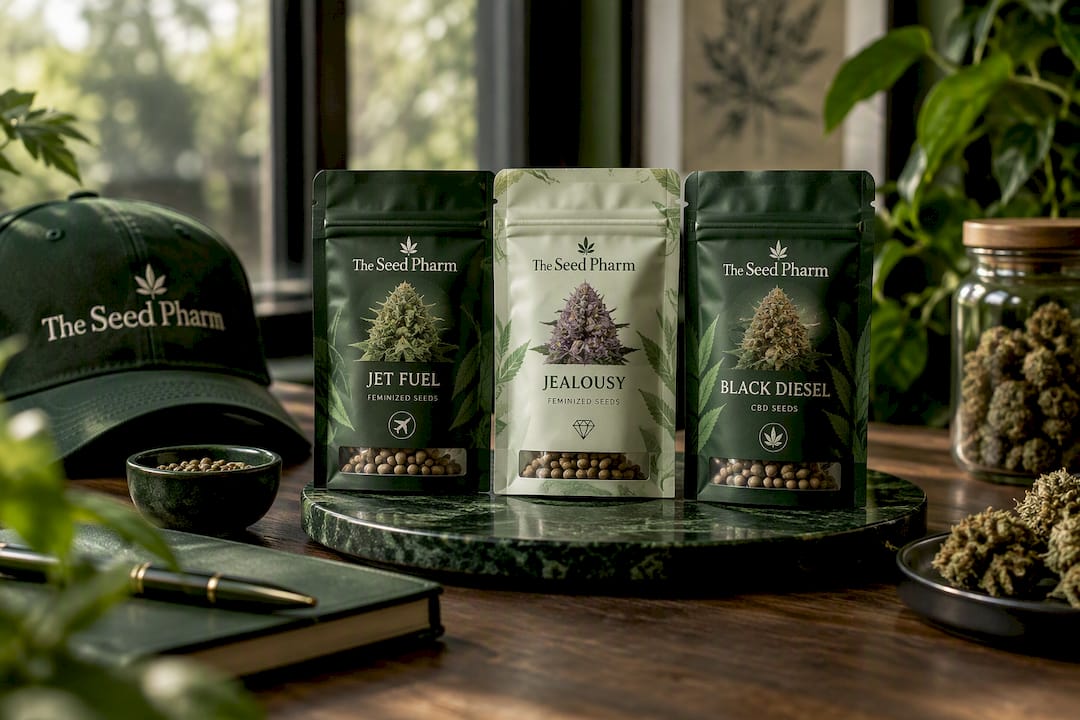
If you’re growing rather than buying flower, seed genetics give you more control over which phenotype you land on. Jet Fuel Strain Feminized Seeds target the classic diesel profile from stable feminized stock, Jealousy Strain feminized seeds bring a gassy, dessert-leaning cross into home cultivation, and Black Diesel Strain CBD seeds offer a fuel-forward aroma with a CBD-weighted cannabinoid profile for growers who want the smell without the heavier psychoactive load.
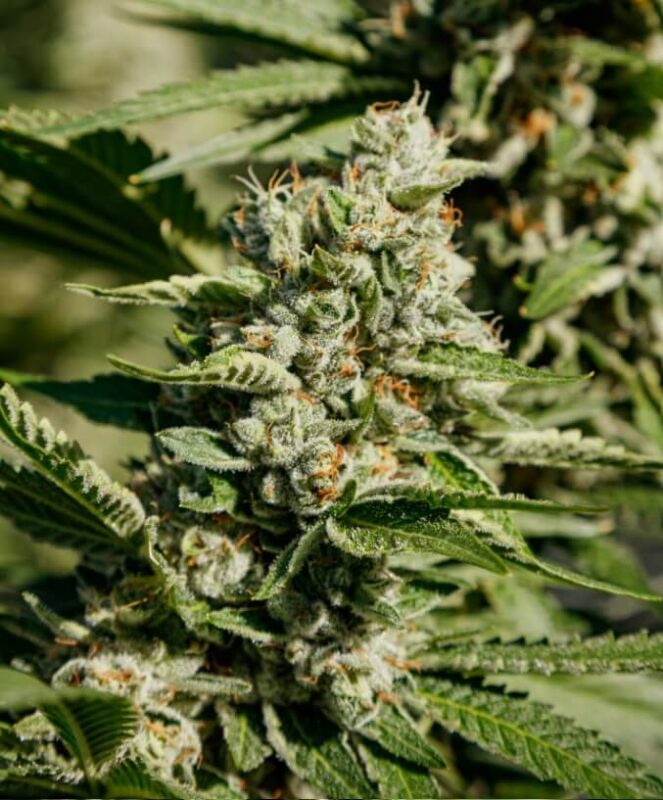
Pro Tip: When comparing strains online, look past the strain name to the terpene percentages listed on the product page or COA, that number tells you more about the actual smell than the marketing copy does.
What makes a strain ‘gassy’: genetics and breeding lineage
The fuel smell didn’t appear randomly. It traces back to a specific lineage of East Coast cannabis that growers have been crossing and refining for decades.
- Chemdog is widely credited as a foundational fuel-forward genetic line, prized for its sharp, diesel-heavy terpene expression.
- Sour Diesel, a Chemdog descendant, cemented the diesel category and remains a reference point for what “gas” should smell like; our own Sour Diesel grow guide covers its background in more detail.
- OG Kush lines contributed a heavier, spunkier fuel note that shows up in modern hybrids like All Gas OG.
- Modern dessert and cookie crosses (think GSC and Sherbet-type genetics) get bred into these fuel lines to produce strains like Gas Face and Gas Runtz, which pair diesel with sweeter undertones according to breeder and strain notes.
Breeders don’t just cross two gassy parents and hope for the best. They grow out multiple seeds from the same cross and select, or “pheno hunt,” for the individual plant that expresses the strongest fuel terpenes and the most desirable structure. That selection process is why two plants from the same pack can smell different, and why serious growers keep notes on which phenotype in a batch actually delivers. Our Sour Diesel seed guide walks through what that selection looks like in practice.
Contemporary gas hybrids commonly report THC in the mid-20s, with some named cultivars like Permanent Gas reaching into the 26% to 29% range in breeder reports. That’s high enough that dosing matters, especially for anyone newer to concentrated fuel-forward phenotypes.
Terpene profiles, the entourage effect, and reading a COA
The gas smell comes down to a handful of terpenes, and knowing them helps you predict both aroma and, to some extent, how a strain will feel.
- β-caryophyllene brings the peppery, diesel edge that anchors most gassy profiles and is one of the few terpenes that binds CB2 receptors directly.
- Myrcene adds an earthy, musky base note that deepens the fuel smell and shows up in some samples at concentrations reaching thousands of micrograms per gram, according to HS-GC/MS analysis of hybrid cannabis.
- Limonene contributes a citrus lift that cuts through the heavier diesel notes in sweeter gas hybrids like Gas Runtz.
- α-humulene and α/β-pinene round out the profile with woody and piney undertones that show up consistently across tested samples.
A study using HS-GC/MS detected 26 terpenes across hybrid cannabis samples, and consistently quantified six major terpenes, including myrcene, limonene and β-caryophyllene, as reliable markers of chemotype. That kind of chemical fingerprinting is also what lets researchers cluster different cannabis flowers by volatile chemotype rather than by strain name alone, confirming that aroma is a chemistry question first and a marketing question second.
Terpenes don’t just shape smell. Lab evidence summarized by Project CBD shows that select terpenes can produce additive or synergistic effects with THC at the CB1 receptor in vitro, meaning the terpene profile can shift how a high actually feels, not just how it smells.
When you’re reading a certificate of analysis, look for four things: the individual terpene percentages, the total terpene count, the harvest or test date, and the batch identifier. A high total terpene percentage on an old test tells you less than a fresher, lower one, since terpenes degrade over time regardless of the number printed on the label.
How to choose, verify and store gassy cannabis
Picking a genuinely gassy strain, and keeping it that way once you’ve got it, comes down to a short checklist.
- Check the COA for terpene percentages and confirm β-caryophyllene, myrcene or limonene actually appear near the top.
- Look at the harvest date, since terpenes degrade steadily after cure, and older stock smells flatter no matter what the label says.
- Open the jar and smell it before buying if you can, trusting your nose alongside the paperwork.
- Check bud structure, dense, resinous flower generally holds terpenes longer than loose, dry buds.
- Buy from a vendor who publishes lab results rather than relying on strain name alone.
If you’re growing from seed instead of buying flower, feminized seeds remove the guesswork of male plants and get you straight to the phenotype you’re after, while autoflowering options suit growers who want a faster turnaround with less light-cycle management. Either way, verified genetics from a known cross cut down on the phenotype surprises that come with unlabelled or mystery seed stock.
That range keeps terpenes intact without inviting mould.
Pro Tip: If you’re storing gassy flower in a shared space, a jar plus an odour-proof bag inside a closed drawer handles most smell-management needs without resorting to anything that damages the terpenes themselves.
Why you can trust our recommendations
This seed bank carries a large selection of cannabis seed strains, including feminized, autoflowering, regular, and CBD varieties, and inspects seed batches before shipping. Shipping is discreet and tracked, addressing common privacy concerns around cannabis seed orders. Grow guides and strain reviews on genetics like Sour Diesel and Mendo Breath document real phenotype outcomes, giving buyers a clearer picture of what a cross actually produces before they commit to a pack.

When to choose a gassy strain
Gassy, high-THC strains tend to suit pain relief, appetite support or a wind-down evening better than social or anxiety-sensitive settings, where the intensity can work against you. Mind your household and neighbours: fuel-forward aroma travels. Start low with any high-THC gas pheno, since potency and terpene load both run stronger than average in this category.
Where to buy seeds if you want to grow gassy genetics
Buying gassy flower means trusting someone else’s harvest and storage. Growing it yourself means you control the cure, the terpene preservation and the phenotype from seed to jar. Jet Fuel Strain Feminized Seeds target the classic diesel profile, Jealousy Strain Feminized Seeds bring a gassy dessert cross into reach for home growers, and Black Diesel Strain CBD Seeds deliver that fuel-forward smell with a CBD-weighted profile.
- Many orders include a germination guarantee.
- Shipping is discreet and tracked to multiple regions.
- Some orders above a certain size may include free seeds.
Browse the full seed catalogue to compare feminized, autoflowering, regular and CBD options before you order.
Sources
- Identification of terpene compositions in hybrid Cannabis species using HS-GC/MS | PMC
- Which terpenes enhance the cannabis high? | Project CBD
- Gas Face strain | AllBud
FAQ
Which cannabis strain is the most gassy?
There’s no single strain that owns the category, but names like All Gas OG, Gas Mask and Permanent Gas consistently rank among the most fuel-heavy by aroma and by reported terpene and THC profiles. Intensity still varies by grower and harvest, so the COA matters as much as the name.
What strains make permanent gas?
Permanent Gas is itself a named cultivar built from fuel-forward genetics, with breeder reports listing THC between 26% and 29%. It sits within the broader family of Chemdog and Sour Diesel descended crosses that define the gas category.
What strain is full gas?
“Full gas” generally describes strains with an intense, unmistakable diesel or fuel nose, often from genetics like Chemdog, Sour Diesel and OG Kush lines. All Gas OG and Gas Mask are commonly cited examples that lean fully into that fuel-forward profile rather than balancing it with sweeter notes.
What strain is super gas?
Definitions vary by source, but “super gas” typically points to phenotypes with an especially heavy terpene load, particularly β-caryophyllene and myrcene, layered over classic diesel genetics. Checking the terpene percentages on a lab report is the most reliable way to confirm a specific batch earns that label.
How do I know if a gassy strain is actually strong?
THC percentage on the COA gives you a baseline, but the terpene profile shapes how that THC actually feels, since some terpenes can synergize with THC at the CB1 receptor. A fresh harvest date and a high total terpene count are better predictors of a strong, full-flavoured experience than the strain name alone.
Recommended