Oct
How To Grow Marijuana Seeds
Finish in 6–8 Weeks: 3 Fast Flowering Strains for Home Growers
Fast flowering strains reach the finish line sooner than standard photoperiod cannabis, cutting seed to harvest time without the day length quirks of a true autoflower. Many fast photoperiods finish flower in 6 to 8 weeks, while autoflowers are often described as 8 to 10 weeks from seed to harvest. Three reliable places to start are Pineapple Express Strain Autoflower Seeds, Star Killer Strain autoflower seeds, and AK Strain Autoflower Seeds.
TL;DR:
- Fast photoperiod strains typically finish flowering in 6 to 8 weeks, while autoflowers usually take about 8 to 10 weeks from seed to harvest.
- Success in hitting a fast finish relies heavily on proper light scheduling, nutrient management, and early size control, not just genetics.
- Bright light, tight humidity control, and trichome monitoring are essential to maximize ripening within the target timeframe.
- Fast strains are most valuable for short outdoor seasons, multiple indoor cycles per year, or rapid breeding projects; speed is a convenience for most growers.
- Breeder notes and genetic markers help confirm whether a seed is a quick finisher or an autoflower, preventing common misidentification mistakes.
Table of Contents
- Which fast seeds should you actually grow?
- How do you actually hit a fast finish window?
- What makes a strain flower fast in the first place?
- Proof points worth knowing before you order
- When does speed actually matter?
- Ready to start a fast cycle?
- Sources
- FAQ
Which fast seeds should you actually grow?
Picking a quick strain comes down to matching its habit to your space and your patience. Some plants push hard through veg and need room, others stay compact and reward a tight tent or a discreet backyard spot.
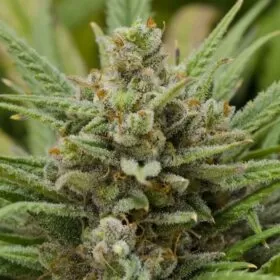
- Pineapple Express Strain Autoflower Seeds suit growers chasing a terpene-forward harvest for outdoor runs or multiple indoor cycles in a season, with a finish that rewards patience through a short stretch phase.
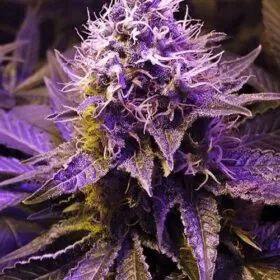
- Star Killer Strain Autoflower Seeds fit compact indoor tents or stealth outdoor plots, staying low and dense while still filling out a respectable yield for the space it uses.
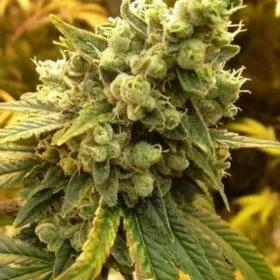
- AK Strain Autoflower Seeds bring vigorous early growth and a dependable finish, making them a solid pick for growers who want fewer surprises between germination and cure.
All three carry the Seed Pharm’s germination guarantee and ship discreetly with tracking, which matters when you are timing a crop around a short season or a specific harvest window. If you are still deciding between an auto and a photoperiod fast strain, the practical differences are worth reading before you buy, since the two behave very differently once they hit the flowering stage, as covered in this autoflower versus photoperiod comparison.
How do you actually hit a fast finish window?
Genetics set the potential, but your routine decides whether a plant finishes on schedule or drags past it. A few habits make the difference between a clean 8 week turnaround and a plant that stalls.
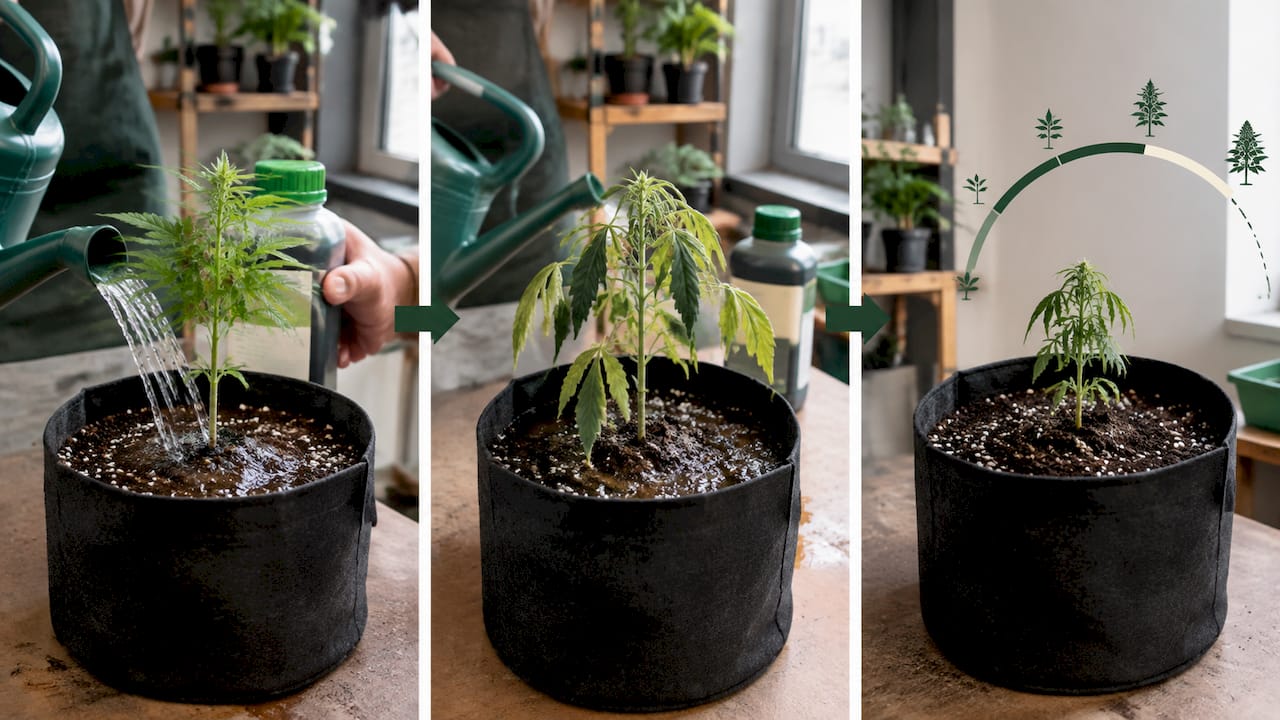
- Get the light schedule right for the genetics you bought. Photoperiod fast strains still need a 12/12 light shift to begin flowering, while true autoflowers move through their life cycle on a day neutral schedule regardless of light hours. Confusing the two is the single most common mistake growers make with anything labelled “fast.”
- Front load vegetative nutrition, then tighten the feed at flower initiation. A condensed reproductive phase does not leave much room to correct a nutrient imbalance mid bloom, so dialing in feed before the switch pays off later.
- Control size early with pinching, topping, or low stress training. Shoot number manipulation and restrained feeding around flower initiation can reduce stretch and improve the ratio of usable flower to trim, according to controlled environment cannabis research.
- Manage humidity and airflow as buds thicken. Lower relative humidity through late flower and steady airflow around dense colas cut the odds of mould on a rapid finishing plant, where buds can pack on density faster than the canopy can breathe.
- Judge harvest by trichomes and pistils, not the calendar. Peak cannabinoid levels often show up a few weeks after anthesis and vary by cultivar, so a trichome check beats counting weeks since germination, per variety trial data on hemp flower maturity.
Pro Tip: Check trichomes with a jeweller’s loupe under bright light every two or three days once pistils start browning, since maturity can shift by a week or two depending on your grow room’s humidity and light spectrum.
Growers prone to overwatering or overfeeding autos in a rush to see results should also look at common mistakes that stunt small autoflower plants, since a stressed fast strain rarely catches up before harvest.
What makes a strain flower fast in the first place?
A true autoflower is day neutral: it moves from seed to harvest on an internal clock rather than a light schedule, and keeping it under 18 or 24 hours of light will not stop it from flowering. A fast photoperiod strain is different. It still depends on shortened day length to trigger flower, it just carries a compressed flowering time once that switch happens, often thanks to breeding that tightens the window between flower initiation and finish.
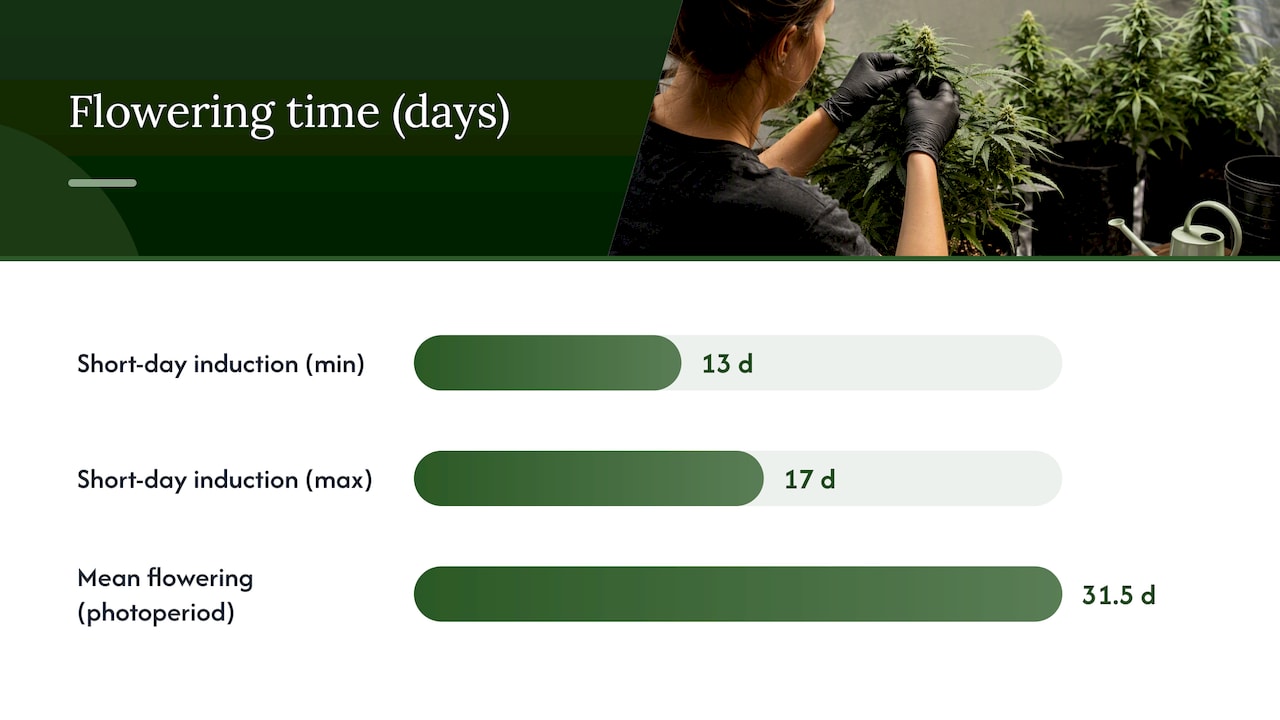
Under short day glasshouse conditions, researchers running a rapid generation protocol induced flowering in photoperiod sensitive cultivars in about 13 to 17 days, with mean flowering time averaging around 31.5 days across cultivars tested, a pace that shows how much a controlled short day trigger can compress bloom time in a hemp speed breeding study. On the genetic side, recent work has identified loci such as Autoflower1, Early1, and FT gene duplications that separate autoflowering lines from early and late photoperiod classes, giving breeders markers to select for shorter flowering windows without guesswork, according to genomic research on Cannabis flowering time classes.
- Read breeder notes carefully: “fast” or “quick finish” on a photoperiod listing describes a shorter bloom phase, not day neutral flowering.
- A strain description that mentions seed to harvest time in a single fixed number, with no mention of a light switch, is usually an autoflower.
- When in doubt, a resource matching genetics to growing goals can help you confirm what you are actually buying before the plant tells you the hard way.
Proof points worth knowing before you order
The Seed Pharm carries more than 200 strains, spanning autoflowering, feminized, regular, and CBD seeds, so fast finishers sit alongside longer season photoperiod genetics for growers who want both in rotation.
- Orders above a qualifying threshold sometimes include free seeds, a way to test a second fast variety without a separate purchase.
- Shipping across various regions arrives discreet and tracked, addressing the privacy concerns many home growers have.
- Readers who want a deeper technical reference can check the full guide to cannabis flowering stages for trichome and pistil development detail.
When does speed actually matter?
Fast strains earn their keep in specific situations: a short outdoor season where frost sets a hard deadline, a space-limited indoor tent running multiple cycles a year, or a breeder pushing rapid crosses to test new genetics faster. Outside those cases, speed is a convenience, not a requirement.
The trade-off is real. Compressed flowering leaves less room for nutrient mistakes and can shift terpene or yield outcomes compared to a longer photoperiod cousin of the same genetics. Speed is worth chasing when your calendar demands it, not just because a faster label looks appealing on a seed page.
*— The *
Ready to start a fast cycle?

If a shorter calendar matters to your setup, starting with a seed line built for it beats reworking a slow photoperiod strain’s schedule after the fact. Check your grow space and target finish date, then browse Pineapple Express Strain Autoflower Seeds, Star Killer Strain Autoflower Seeds, or AK Strain Autoflower Seeds to match a variety to your timeline. Every order carries the germination guarantee and ships discreetly, and reading a grow guide before your seeds arrive saves a cycle down the line. Browse the full seed catalogue to compare options before you check out.
Sources
- A protocol for rapid generation cycling (speed breeding) of hemp (Cannabis sativa)
- Article in press: genomic markers and flowering‑time classes in Cannabis
- Horticultural strategies to improve yield and efficiency for controlled‑environment cannabis production (Clemson dissertation)
- 2020 hemp flower harvest date (UVM report)
FAQ
What strain takes the longest to flower?
Flowering time varies widely by genetics, but long-season photoperiod sativas and landrace varieties typically take far longer than fast or autoflowering types, sometimes stretching well past 10 weeks. Growers seeking speed should look at fast photoperiod hybrids or autoflowers instead, which finish in a fraction of that time.
What are the fastest blooming seeds?
Autoflowering genetics and fast photoperiod hybrids finish quickest, with some photoperiod cultivars induced to flower in as little as 13 to 17 days under short day glasshouse conditions in rapid generation research. Among The Seed Pharm’s lineup, Pineapple Express, Star Killer, and AK Strain Autoflower Seeds are bred specifically for quick, reliable finishes.
What strain yields the most buds?
Yield depends heavily on grow setup, training, and nutrition rather than genetics alone, and horticultural tactics like shoot number manipulation and controlled feeding can meaningfully improve output during a compressed flowering window, per controlled environment yield research. Among fast finishers, AK Strain Autoflower Seeds tend toward vigorous growth that supports a solid harvest when trained well.
How do I know when a fast flowering strain is ready to harvest?
Judge readiness by trichome colour and pistil browning rather than the calendar, since peak cannabinoid levels often arrive a few weeks after anthesis and timing varies by cultivar, according to hemp flower maturity research. A jeweller’s loupe makes it easy to check trichomes every few days as harvest approaches.
Is a fast flowering strain the same as an autoflower?
No, a fast flowering photoperiod strain still needs a 12/12 light shift to begin flowering, while an autoflower moves through its cycle on a day neutral schedule regardless of light hours. Mixing up the two is a common mistake that can leave a photoperiod plant stuck in vegetative growth indefinitely.
Recommended