Sep
How To Grow Marijuana Seeds
Citrus Cannabis Strains: Terpenes, Seeds and Grow Tips for Home Growers
Citrus cannabis strains are varieties whose aroma and flavour are driven by citrus terpenes, chiefly limonene, and they include well-known names such as Super Lemon Haze, Tangie and Lemon Skunk. These strains span sativa, hybrid and indica-leaning genetics, so effects vary even when the citrus smell is similar. As with any THC product, dosing matters: public-health guidance recommends starting low and waiting before taking more, especially with edibles.
TL;DR:
- The actual limonene content in citrus strains can vary significantly depending on harvest, storage, and environmental factors, affecting their citrus scent and effect.
- Sativa-based citrus strains like Super Lemon Haze and Tangie typically offer energizing effects, whereas indica-leaning varieties like Lemon OG are better suited for relaxing evening use.
- Checking lab reports for terpene profiles and freshness, rather than relying solely on strain names or marketing, ensures more accurate predictions of flavor and aroma.
- Cultivation practices such as proper harvesting, curing, and storage are critical to preserving the citrus aroma, especially for strains with high volatile terpene levels.
- Medical use of citrus strains may help mitigate THC-related anxiety, but starting with low doses and consulting a healthcare professional remains essential for safe consumption.
Table of Contents
- Why do citrus strains smell like citrus?
- Top citrus-forward strains worth trying or growing
- How to pick the right citrus strain for you
- Growing citrus strains without losing the aroma
- What citrus strains offer for medical use
- Where citrus genetics come from
- Do all citrus strains taste the same?
- Growing citrus strains: what changes plant to plant
- Why I reach for citrus strains during the day
- Citrus seed picks for home growers
- Sources
- FAQ
Why do citrus strains smell like citrus?
The citrus scent in cannabis comes down to terpenes, the aromatic oils that plants produce alongside cannabinoids. Limonene is the main driver of that bright, zesty lemon or orange smell, and it shows up prominently across the strains people describe as citrus. Terpinolene adds a sharper, almost herbal citrus edge, valencene contributes the sweeter orange or mandarin notes, and pinene rounds things out with a faint pine or grapefruit-rind quality. A partner guide to terpene chemistry breaks down how these compounds interact to shape both smell and effect.
Genetics set the ceiling for how much limonene a plant can produce, but the final result depends heavily on what happens after the seed is chosen. Research on citrus plants themselves shows that terpene emissions vary strongly with genotype, growth stage and environment, which explains why two jars of the same strain name can smell noticeably different. Harvest timing, drying speed, cure length and storage conditions all affect how much of that volatile limonene survives to the point of sale.
A few habits make it easier to judge citrus strains accurately rather than relying on the name alone:
- Read the terpene section of a lab report before the strain name, since limonene content can swing widely within one cultivar.
- Check for a recent harvest or cure date, since terpenes degrade with time and exposure to heat or light.
- Compare cannabinoid and terpene percentages side by side rather than trusting marketing copy alone.
- Ask about storage conditions at the point of sale, since a strain grown well can still lose its citrus punch if stored poorly.
Strain names are a starting point, not a guarantee. Leafly’s citrus strain list notes that citrus-flavoured strains are consistently linked to high limonene content, but the actual percentage on a lab sheet is what tells you whether a specific batch will deliver.
Top citrus-forward strains worth trying or growing
These picks cover a range of effects and grow profiles, from energizing sativas to easier indica-leaning hybrids.
- Super Lemon Haze: A sativa-dominant hybrid with a sharp lemon and fuel aroma, it’s a daytime and creative-focus strain that regularly appears on curated lemon strain lists. THC typically runs on the higher end for sativas, and growers can find an autoflower version of this strain that shortens the time to harvest.
- Tangie: Built around orange and tangerine notes rather than straight lemon, Tangie leans sativa and suits people wanting an uplifting, sociable high without heavy sedation. Its citrus profile comes through strongly in flower and extracts alike, making it a common base for newer tangerine-flavoured crosses.
- Lemon Skunk: A balanced hybrid that pairs classic skunk pungency with a clean lemon top note, giving a functional, alert high suited to daytime tasks. It’s a forgiving plant for intermediate growers, with moderate flowering time and decent resilience to minor grow mistakes.
- Lemon OG: Leaning more indica than the others on this list, Lemon OG combines lemon zest with an earthy OG base, making it better suited to evening relaxation than sharp focus. THC tends to sit in the moderate to high range, and the aroma holds up well through a slow, careful cure.
- Pink Lemonade: A hybrid with a sweeter, candied lemon profile rather than a sharp citrus bite, it appeals to people who find straight lemon strains too harsh. Effects tend to sit in the middle, neither purely energizing nor purely sedating, which makes it a flexible option for varied occasions.
- Tangie-derived crosses: Breeders have used Tangie’s orange terpene profile as a base for newer hybrids aimed at combining its citrus punch with sturdier grow characteristics. These crosses vary by breeder, so checking a specific cross’s own lab sheet matters more than relying on the Tangie name alone.
How to pick the right citrus strain for you
Start with what you want the strain to do, not just how it smells. A limonene-heavy sativa like Super Lemon Haze suits daytime energy and focus, while a citrus strain with more myrcene or a heavier indica lineage, like Lemon OG, fits better in the evening. Cannabinoid ratio matters just as much as terpene profile: someone wanting milder effects with less intoxication might look at CBD-balanced options instead of a high-THC citrus strain.
Before buying seed or flower, a short checklist helps separate real citrus strains from marketing claims:
- Ask for a current lab report showing both cannabinoid percentages and the individual terpene breakdown, not just a “citrus” label.
- Confirm the harvest or packaging date, since limonene and other volatile terpenes fade over time.
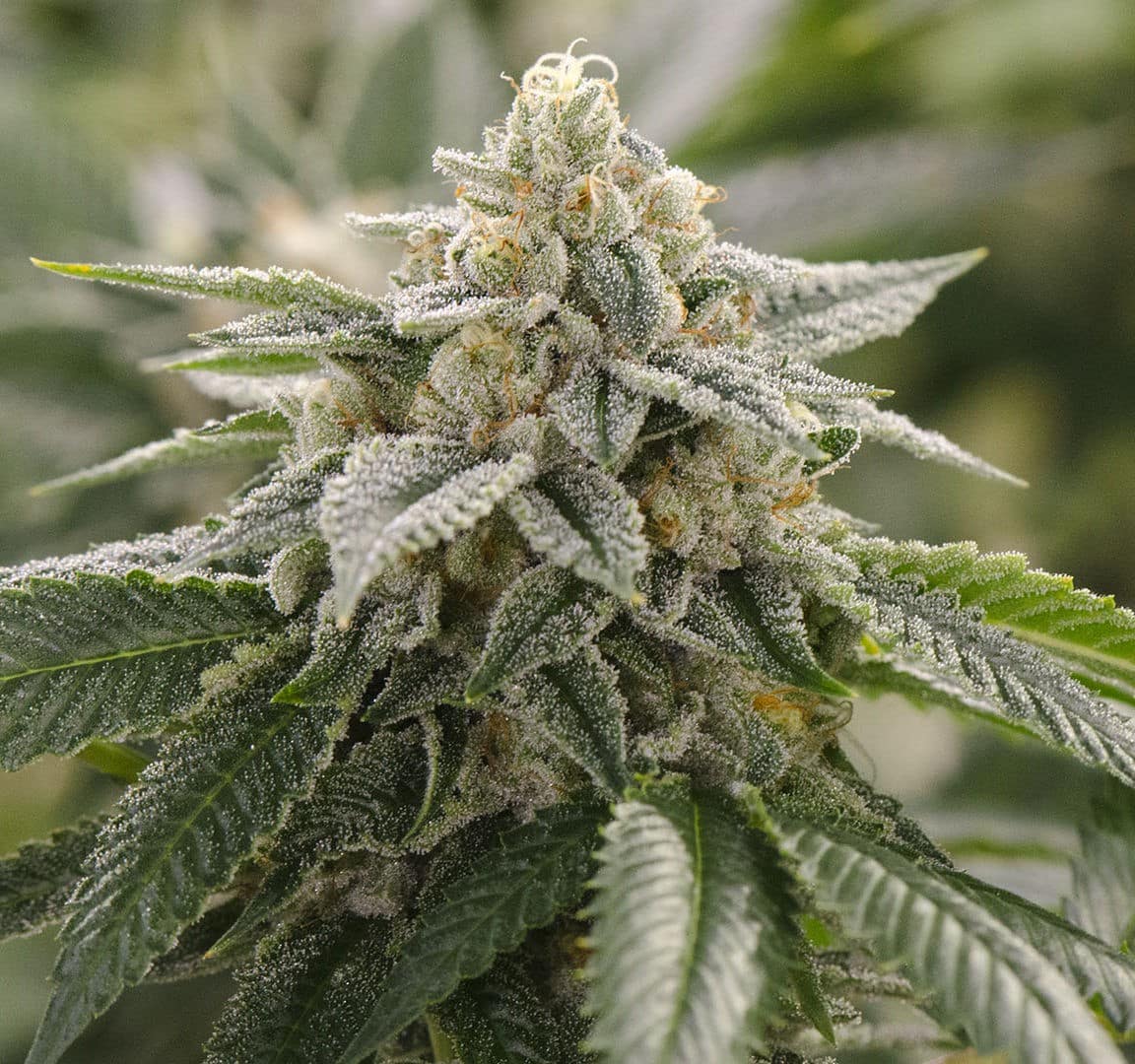
- Look for sample photos or trichome close-ups when buying flower, since dense, frosty buds tend to hold terpenes better than dry or brittle ones.
- Treat a seller who can’t produce a terpene report or gives only vague citrus claims as a red flag.
Pro Tip: If a seller can show you a batch-specific terpene percentage for limonene, trust that number over any strain name or marketing description.
Growing citrus strains without losing the aroma
Terpene retention starts before harvest and continues through storage. Harvesting too early or too late both cost you aroma: waiting for the right trichome stage protects limonene levels, while over-ripening lets some of those volatile compounds break down. A guide to spotting flowering stage transitions can help growers judge that window more precisely, including drying and curing steps that reduce terpene loss.
Once the plant is down, drying and curing decide how much of that citrus punch survives to the jar. Slow, cool drying followed by a proper cure protects terpenes far better than rushing the process.
- Dry at cooler temperatures with controlled humidity rather than fast, hot drying that drives off volatile terpenes.
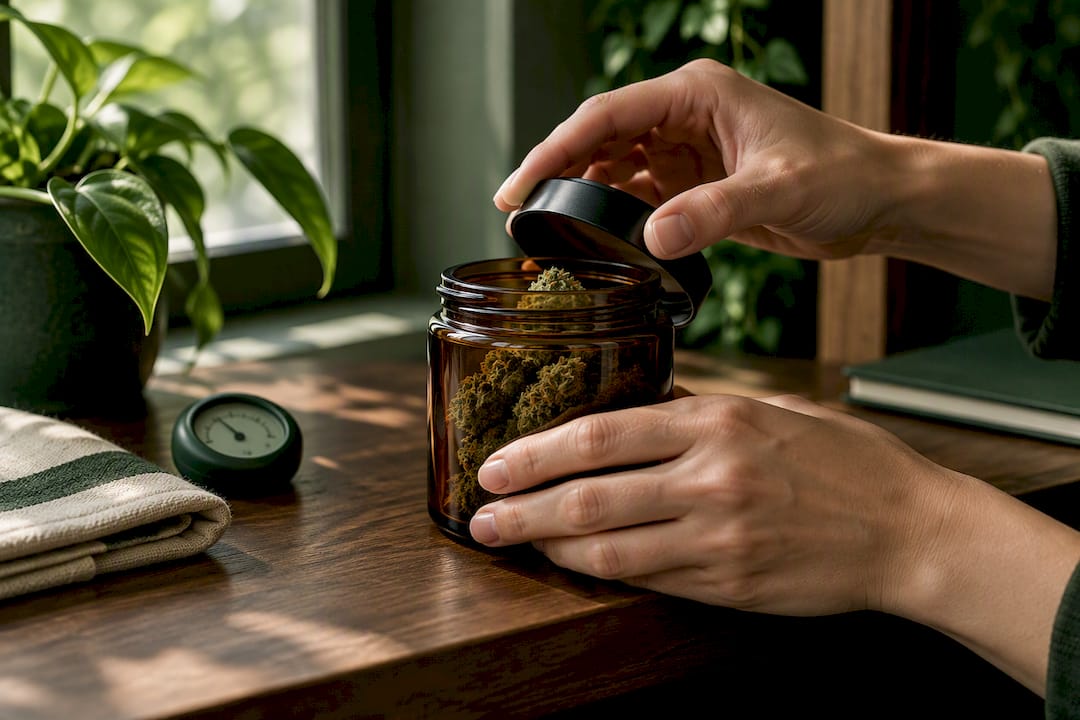
- Cure in small, airtight containers, burping them regularly over the first couple of weeks to manage moisture without over-drying the bud.
- Store finished flower away from heat and light, since both accelerate terpene breakdown over time.
- Consider light spectrum and feeding schedule during flowering, since both influence how much terpene the plant produces in the first place.
Autoflower and photoperiod versions of the same citrus genetics behave differently here. Autoflowers move through their cycle faster, which can mean less time for terpene development unless nutrition and light are managed carefully, while training techniques like LST can improve light exposure across the canopy for either type.
Pro Tip: Burp your cure jars daily for the first week, then every other day, checking for any ammonia smell that signals excess moisture is degrading your terpenes.
What citrus strains offer for medical use
People using cannabis for symptom relief sometimes reach for citrus strains specifically because of limonene’s documented interaction with THC. Controlled research from Johns Hopkins found that vaporized D-limonene can selectively reduce some acute anxiety-like effects of THC in healthy users, which is one reason citrus-forward strains get recommended to people concerned about THC-related anxiety.
That said, this is a modest, specific interaction rather than a broad medical claim, and it doesn’t override the basic risks of THC itself. All THC products carry the same impairment risks regardless of terpene content, affecting decision-making, memory, attention and coordination, and CDC guidance recommends starting at a low dose and waiting long enough before taking more, particularly with edibles.
People considering cannabis for a specific medical condition are better served talking to a healthcare provider than choosing a strain by aroma alone. For those wanting the potential benefits of cannabinoids without as much intoxication, high-CBD strains paired with lower-THC citrus genetics can offer a middle ground worth discussing with a doctor.
Where citrus genetics come from
Most citrus cannabis strains trace their aroma back to a handful of foundational genetics rather than one single ancestor. Lemon Skunk descends from Skunk lines selectively bred for a stronger lemon terpene expression, while Super Lemon Haze combines Lemon Skunk with Silver Haze to add sativa structure and a fuel-citrus complexity on top of the base lemon note. Tangie’s orange profile traces back to California Orange genetics crossed into Haze lines, which is part of why it leans sativa and energizing rather than sedating.
Breeders selecting for citrus traits are essentially chasing plants with a naturally higher limonene expression, then stabilizing that trait through repeated generations. Because terpene expression varies by phenotype even within a stable strain, no two seed batches of the same named strain are guaranteed to hit the exact same citrus intensity, which is why serious breeders keep testing offspring rather than assuming genetics alone lock in the aroma.
This lineage matters practically: a strain descended from Haze genetics tends to carry longer flowering times and more sativa-typical growth, while one built on Skunk or OG lines tends to flower faster and grow shorter and bushier. Knowing a strain’s genetic background gives growers a reasonable guess at what to expect in the tent, even before the first terpene test comes back.
Do all citrus strains taste the same?
Not even close. Limonene gives the sharp, clean lemon note most people associate with “citrus weed,” but the strains on this list show how much variation sits under that single word. Tangie and its descendants push toward orange and tangerine because of a terpene balance shifted more toward valencene, while Super Lemon Haze leans into a sharper, almost fuel-like lemon because terpinolene and pinene layer on top of the limonene base.
Lemon OG and other indica-leaning citrus strains often taste less purely citrus and more like lemon over an earthy or diesel foundation, since myrcene and caryophyllene show up in higher proportion alongside the limonene. Pink Lemonade’s sweeter, more candied lemon note comes from a different terpene ratio again, closer to what you’d find in dessert-leaning hybrids than in a sharp sativa.
This is exactly why curated citrus strain lists group dozens of strains under one flavour heading despite real differences in intensity and character. A lab-verified terpene breakdown remains the only reliable way to know whether a given batch will taste like sharp lemon zest, sweet orange, or something closer to lemon over diesel.
Growing citrus strains: what changes plant to plant
Cultivation difficulty among citrus strains tracks fairly closely with their genetic lineage. Haze-descended strains like Super Lemon Haze and Tangie tend to run longer flowering times and grow taller, which means growers need more vertical space and patience, though the payoff is often a bigger yield. Skunk and OG-based citrus strains, including Lemon Skunk and Lemon OG, tend to flower faster and stay more compact, which suits smaller tents or first-time growers who want a shorter commitment.
Environmental preferences follow a similar split. Sativa-leaning citrus strains generally tolerate a wider temperature range but reward strong light and good airflow with noticeably better terpene development, while indica-leaning citrus hybrids tend to be more forgiving of minor swings in humidity and temperature. Growers newer to the hobby often do better starting with a strain from the Skunk or OG side of the citrus family before attempting the longer, more input-heavy Haze lines. A beginner-focused strain guide can help match experience level to a specific citrus cultivar’s grow demands.
Autoflowering versions of citrus genetics simplify the calendar further, since they flower on a set schedule regardless of light cycle, trading some yield and terpene ceiling for speed and simplicity.
Why I reach for citrus strains during the day
I keep a citrus strain on hand for daytime work sessions, mainly because limonene-forward genetics tend to pair with the alert, sociable effects I want before evening. That’s a personal pattern, not a universal effect, and dose still matters more than terpene profile: a small amount goes further than expected with edibles, so waiting before taking more is worth the patience. For the details on curing and storage that actually preserve that citrus punch, the growing sections above cover what matters most.
*— The
Citrus seed picks for home growers
Choosing seed is where citrus flavour actually starts, and A seed catalogue offers practical routes into growing citrus cannabis at home.
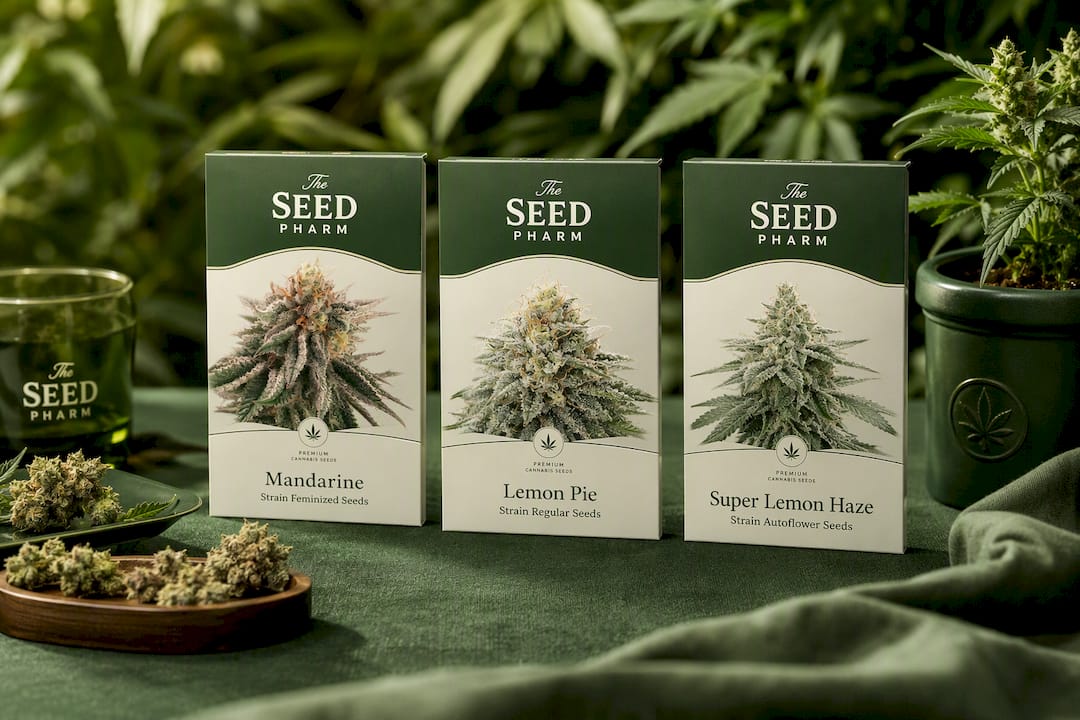
- Mandarine Strain Feminized Seeds: feminized seeds remove the guesswork of sexing plants, which suits hobby growers who want every seed to flower rather than risk a male plant in a small tent.
- Lemon Pie Strain Regular Seeds: regular seeds keep both sexes in play, which is exactly what breeders and collectors need if they’re working on their own citrus crosses.
- Super Lemon Haze Strain Autoflower Seeds: autoflower genetics move from seed to harvest on a fixed schedule, which makes this pick a good fit for first-time growers who want a faster, lower-maintenance route to a classic citrus strain.
Browse the full seed catalogue to compare feminized, autoflower, regular and CBD options before you order.
This article is general information, not a substitute for advice from a qualified doctor. Consult a qualified healthcare professional about your own circumstances before acting on anything here.
Sources
- Citrus flavored weed strains | Leafly
- What we know about cannabis | CDC
- Vaporized d-limonene selectively mitigates the acute anxiogenic-like effects of THC — Johns Hopkins
- Biogenic volatile organic compound emissions from citrus species — Fares et al., 2011
FAQ
Which cannabis strain has the best citrus flavour?
There’s no single strain that wins here, since citrus flavour depends on limonene content, which varies by batch even within the same strain name. Super Lemon Haze and Tangie are the two most consistently cited for strong, recognizable citrus aroma on curated flavour lists.
What is the best lemon cannabis strain?
Super Lemon Haze and Lemon Skunk are the two names that come up most often for a clean lemon aroma, with Super Lemon Haze leaning sharper and more fuel-like and Lemon Skunk offering a more balanced, functional high. Checking a batch’s own terpene report is still the most reliable way to confirm lemon intensity before buying.
What is the best strain in 2026?
There’s no single strain crowned “best” across the market, since preference depends on desired effect, terpene profile and grow setup rather than one universal ranking. Citrus-forward options like Super Lemon Haze and Tangie remain popular choices for people wanting an energizing, flavourful sativa.
What is the fruitiest cannabis strain?
Fruitiness is subjective, but citrus strains such as Tangie and Pink Lemonade are frequently described as among the more distinctly fruity options because of their orange and candied lemon terpene profiles. A batch’s lab-tested terpene sheet is the most reliable way to confirm how fruity a specific jar will actually taste.
Are citrus cannabis strains safe to use?
Citrus terpenes themselves aren’t the safety concern, THC is: all THC-containing products carry impairment risks affecting decision-making, memory, attention and coordination, according to CDC guidance. Starting with a low dose and waiting before taking more, especially with edibles, is the safest approach regardless of which citrus strain you choose.
Recommended