Oct
How To Grow Marijuana Seeds
Start at 5 mg: Clinical Reality of 1:1 Balanced THC and CBD
A balanced THC CBD product (often labelled 1:1) contains roughly equal amounts of each compound, and it can still get you intoxicated. CBD does not reliably switch off THC’s effects at common doses, so the ratio word on a package tells you less than the milligram count. Compare actual mg per serving and check the lab report before you decide a product fits your goals.
TL;DR:
- The milligram amount of THC and CBD per serving is more important than the labeled ratio when assessing potency and safety risks.
- Studies show that adding CBD at common ratios does not reliably prevent THC’s cognitive impairments or psychotic-like effects.
- Always verify a current independent lab certificate of analysis and calculate total milligrams of THC and CBD before use.
- Starting with about 5 mg of THC and matching CBD, then increasing slowly and cautiously, is recommended for targeting medical or recreational goals.
- Regularly monitor effects and consult with a healthcare professional, especially when combining cannabinoids with other medications or managing health conditions.
Table of Contents
- What “balanced” actually means: ratios, COAs and the standard THC unit
- What the evidence shows: human-lab trials and clinical studies about CBD’s effect on THC
- How to choose a ratio and dose for your goals
- Strains, genetics and seed options that test near balanced ratios
- Safety, drug interactions and impairment: rules to reduce harm
- How The Seed Pharm supports buyers who want reliable balanced genetics
- Balanced ratios are a helpful tool, not a safety shield
- Where to find balanced genetics: seed pages and next steps
- FAQ
- Sources
What “balanced” actually means: ratios, COAs and the standard THC unit
A ratio like 1:1 describes proportion, not strength. Two products both labelled 1:1 can contain very different total amounts of THC and CBD, which means very different intoxication risk and different therapeutic exposure. The number that matters is milligrams per serving, not the ratio printed on the front of the package.
This is why NIDA established a standard THC unit of 5 mg of delta-9-THC for research reporting. It is a convention for comparing studies, not a safety ceiling, but it gives you a practical yardstick: when you see a product’s total THC content, you can mentally convert it into “standard units” and compare it against what you have tolerated before.
Before you buy or consume a balanced product, work through a short checklist:
- Confirm there is a current certificate of analysis (COA) from an independent lab, not just a brand-issued sheet.
- Check the total mg of THC and CBD per serving, not only the ratio.
- Note the route of administration (inhaled, oral, sublingual), since onset and intensity differ.
- Calculate total mg per package so you know your maximum possible exposure.
Reading a COA properly takes a few minutes once you know what to look for, and resources like this walkthrough on reading a COA break down what each section means.
What the evidence shows: human-lab trials and clinical studies about CBD’s effect on THC
The assumption that CBD “balances out” or protects against THC’s downsides has been tested directly, and the results are more cautious than the marketing suggests.
A 2022 randomized, double-blind, cross-over trial gave healthy volunteers inhaled cannabis containing 10 mg of THC combined with 0, 10, 20, or 30 mg of CBD, covering ratios from THC-only up to 3:1 CBD:THC. The trial found that none of the tested CBD ratios reliably prevented THC-induced memory impairment, psychotic-like symptoms, or other acute effects, including at the 1:1 dose. That result runs against the common idea that adding CBD automatically makes a THC product gentler.
A 2025 randomized, placebo-controlled trial in 144 patients with advanced cancer found that a 1:1 THC:CBD oil did not reduce overall symptom burden compared with palliative care alone after 14 days, according to the clinical trial published in 2025. Pain scores improved modestly, but patients on the active oil experienced more psychomimetic side effects than those on placebo. Dosing was titrated gradually from 2.5 mg/2.5 mg up to 30 mg/30 mg daily.
A few caveats matter when you read these findings:
- Both trials used specific doses, routes, and populations; results may not generalize to every product format or health condition.
- Higher CBD:THC ratios (2:1, 3:1 or higher) were not shown to be protective either, though they were not the main focus of either trial.
- Different dosing schedules, such as very slow titration, might produce different tolerability than the fixed protocols tested.
How to choose a ratio and dose for your goals
Your goal should drive the ratio and dose you start with, not the other way around.
- Decide what you’re treating. Chronic pain, anxiety, and sleep issues often call for different strategies: occasional symptomatic use versus a steady daily microdose.
- Start low. Begin near one standard THC unit (around 5 mg of THC, per the NIDA reporting standard) paired with a similar amount of CBD if you are trying a 1:1 product.
- Increase slowly. Wait at least a few days between increases, and raise the dose in small increments rather than doubling it.
- Convert everything to milligrams. Track your actual mg of THC and CBD per day so you can compare across product types and brands consistently.
- Reassess after two weeks. If symptoms haven’t improved or side effects outweigh benefits, that’s a signal to adjust the ratio, the dose, or the approach entirely.
Talk to a clinician before starting if you take other medications regularly, manage a serious health condition, or have a history of psychiatric symptoms. At the dispensary or seed shop, ask specifically for the COA, the mg per serving, and the harvest or batch date, not just the strain name.
Pro Tip: Keep a simple log of dose, time, and effect for the first two weeks; patterns that aren’t obvious day to day often become clear once you see a week of entries side by side.
Strains, genetics and seed options that test near balanced ratios
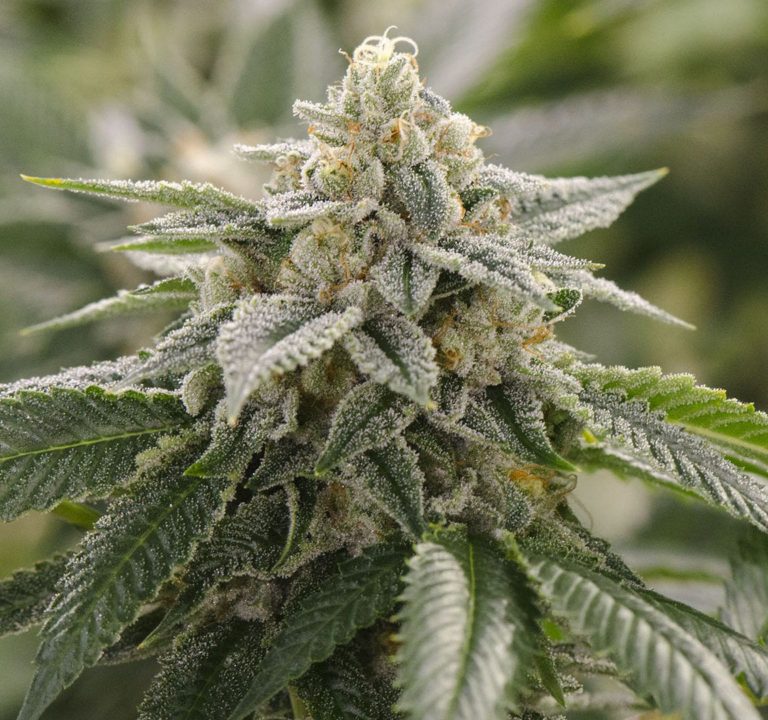
A cultivar name describes genetics, not guaranteed chemistry. The actual cannabinoid content, called the chemovar, depends on growing conditions, harvest timing, and batch variation, which is why a COA always takes priority over a strain name when you need a specific ratio. Two plants grown from the same seed line can finish at noticeably different THC and CBD percentages depending on how they were cultivated.
That said, certain genetic lines are bred specifically to land close to a 1:1 chemovar, which makes them a sensible starting point for growers who want balanced flower without guessing. Readers who prefer to grow their own have a few options worth knowing by name:
- Best Mango Strain 1:1 CBD Seeds: bred toward a roughly even THC to CBD profile with a fruit-forward aroma, suited to growers who want a balanced daytime option.
- Super Lemon 1:1 Strain CBD Seeds: a citrus-leaning balanced chemovar for growers who want a 1:1 line with a different terpene profile than Mango.
- Ratio 1:30 Strain CBD Seeds: a heavily CBD-dominant option for growers who want minimal intoxication alongside CBD’s effects.
Our guide to growing CBD-rich genetics covers cultivation basics for readers new to growing these chemovars at home.
Safety, drug interactions and impairment: rules to reduce harm
A balanced product is still a THC product, and THC still impairs driving, reaction time, and short-term memory regardless of how much CBD sits alongside it. Never drive or operate machinery after using a THC-containing product, even a 1:1 one, until you know exactly how it affects you.
CBD is metabolized partly through the liver enzymes CYP3A4 and CYP2C19, which means other medications can change how much CBD (and sometimes THC) actually reaches your bloodstream. The prescribing information for the pharmaceutical cannabidiol product EPIDIOLEX notes that the enzyme inducer rifampin decreased CBD blood concentrations by about 32%, according to the FDA label for EPIDIOLEX, and the same label documents dosage adjustments needed around strong enzyme inducers or inhibitors.
Watch for these red flags and seek medical attention if they occur:
- Severe confusion, chest pain, or a racing heartbeat that doesn’t settle within minutes.
- Signs of a severe allergic reaction, such as swelling of the face or difficulty breathing.
- Acute psychotic symptoms, including paranoia or hallucinations that feel out of character.
- Unusual drowsiness or breathing changes if combined with sedatives or alcohol.
If you take prescription medication regularly, ask your pharmacist specifically about CYP3A4 or CYP2C19 interactions before adding a cannabinoid product.
How The Seed Pharm supports buyers who want reliable balanced genetics
We offer a diverse selection of cannabis seed strains, including autoflowering, feminized, regular, and CBD lines, providing growers with a range of balanced and CBD-dominant chemovars to choose from. Every batch goes through an inspection process before it ships, and we back that with a 90% germination guarantee so a seed that fails to sprout isn’t money lost.
We provide discreet, tracked shipping to multiple regions, addressing concerns about privacy and order confirmation. Some orders include additional seeds as a bonus, offering a way to try extra chemovars without additional cost.
Balanced ratios are a helpful tool, not a safety shield
Marketing language around 1:1 products leans on the word “balanced” to imply gentleness, but the trial evidence doesn’t support treating CBD as a built-in safeguard. The responsible approach is to verify actual mg and lab results every time, start conservative, and build a plan with a clinician if you’re managing a medical condition. Balanced products are genuinely useful for many people. They just work best when chosen deliberately, not assumed safe by label alone.
— The
Where to find balanced genetics: seed pages and next steps
If you’ve decided a balanced chemovar fits your goals, growing from seed gives you more control over what ends up in your final product than relying on a label alone.
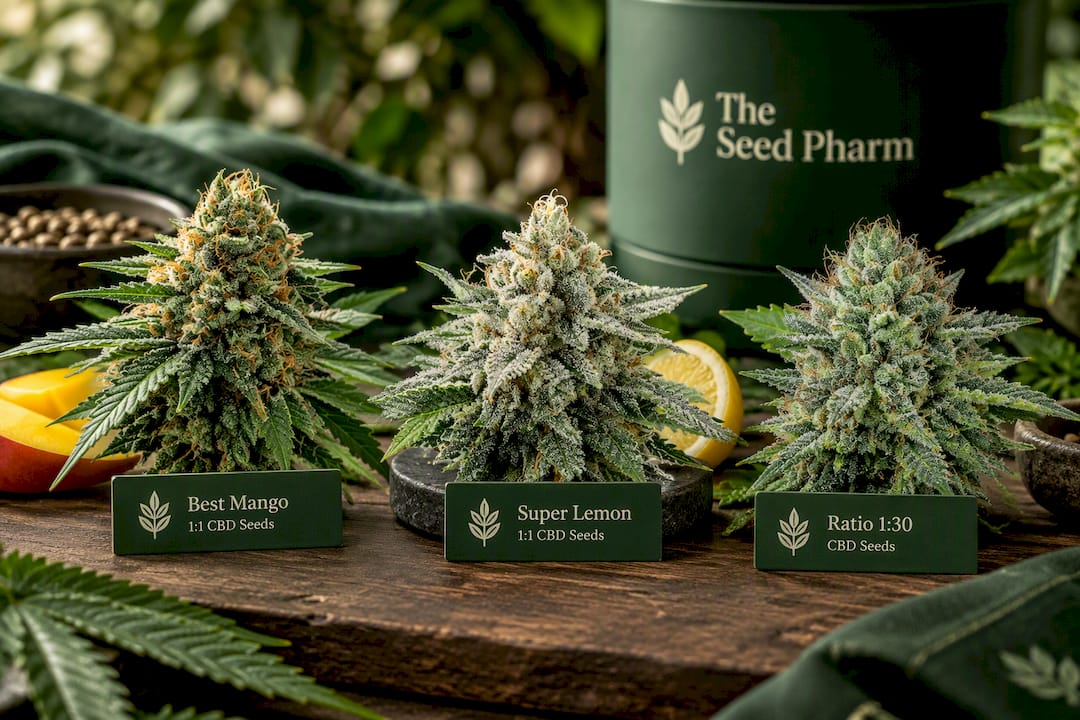
- Best Mango Strain 1:1 CBD Seeds: a fruity balanced option for a first 1:1 grow.
- Super Lemon 1:1 Strain CBD Seeds: a citrus-forward balanced alternative with a different terpene profile.
- Ratio 1:30 Strain CBD Seeds: for growers prioritizing CBD with minimal intoxication.
Once harvested, send a sample to an independent lab to confirm your actual ratio, start with a low test dose, and check your local regulations before growing or using. Browse our full seed catalogue for feminized, autoflowering, CBD, and regular options beyond these three.
This article is general information, not a substitute for advice from a qualified doctor. Consult a qualified healthcare professional about your own circumstances before acting on anything here.
FAQ
What are balanced CBD and THC strains?
Balanced strains, often labelled 1:1, are bred to produce roughly equal amounts of THC and CBD rather than being dominated by one compound. The actual milligram content still varies by batch, so a lab-tested COA is the only way to confirm the real ratio in a specific product.
Does taking CBD with THC do anything?
CBD combined with THC changes the overall effect profile, but a 2022 randomized trial found that common CBD:THC ratios, including 1:1, did not reliably prevent THC-related memory impairment or psychotic-like symptoms at the doses tested. CBD may still shape the experience in other ways, but it is not a dependable safeguard against THC’s acute effects.
What are balanced CBD THC gummies?
Balanced gummies are edibles formulated with roughly equal THC and CBD per piece, typically a few milligrams of each, intended to deliver a milder psychoactive effect than a THC-only product. Always check the label’s total mg per gummy and serving size, since edible potency varies widely between brands.
What is the best THC and CBD combo?
There is no single best combination. It depends on your goal, tolerance, and medical history, and the 2025 clinical trial in advanced cancer patients found a 1:1 oil did not outperform standard palliative care for overall symptom burden. Starting with a low dose of a well-tested product and adjusting gradually based on your own response is the more reliable approach than chasing a fixed ratio.
Sources
- Does cannabidiol make cannabis safer? A randomised, double-blind, cross-over trial of cannabis with four different CBD:THC ratios
- Medicinal cannabis for symptom control in advanced cancer: a double-blind, placebo-controlled, randomised clinical trial of 1:1 tetrahydrocannabinol and cannabidiol
- FAQs: Establishment of a standard THC unit to be used in research
- Approval label (EPIDIOLEX) – highlights of prescribing information
Recommended
- CBD vs THC | Difference between Cannabis Strains
- High CBD Cannabis Seeds: Benefits and Top Strains to Grow
- CBD Seeds: Growing Your Own Medicinal Cannabis
Ready to Grow?
Shop premium CBD Seeds with germination guarantee and free shipping.
Shop CBD Seeds →