Sep
Seed Reviews
Purple Haze Autoflower Seeds: Genetics & Grow Guide
Purple Haze autoflower seeds bring a strain that’s stayed in demand for decades on flavour alone into a format built for growers who don’t want to manage a light schedule. This guide covers the genetics behind Purple Haze, what the autoflowering format changes about growing it, and what kind of high the finished flower delivers.
Purple Haze Genetics
Purple Haze comes from crossing Purple Thai with Haze, landing at roughly 70% sativa and 30% indica. That lineage is exactly why the strain has held its reputation for so long — Purple Thai contributes the deep colour and fruit-forward terpenes, while Haze genetics bring the racy, cerebral energy the strain is known for. THC typically sits around 17%, climbing toward 20% when the grow is dialled in, with CBD staying low.
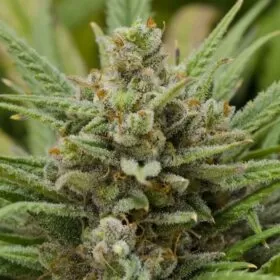
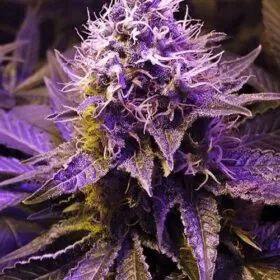
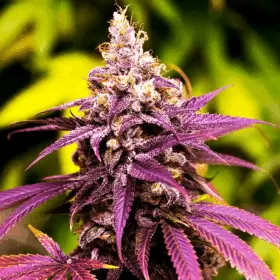
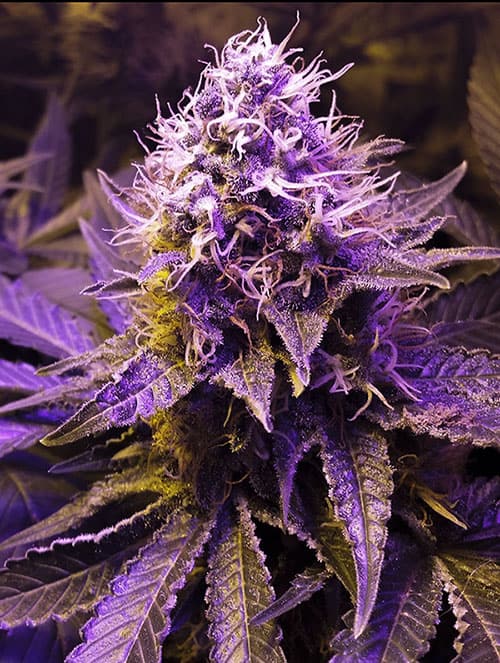
The aroma announces itself early in flower — a fresh blueberry scent that carries straight through to the smoke, which comes out thick and smooth while holding a distinctly fruity flavour. Cured flower takes on the deep purple tone the strain is named for, with a visible sheen across the buds.
Effects
The high is cerebral and arrives quickly, building to a peak rather than slamming in all at once. It’s generally described as an active smoke rather than a sedating one, with effects running roughly four to five hours and commonly associated with a lift in mood, sharper focus and a sociable, talkative streak — which is why it tends to get reached for during the day rather than in the evening. As with most sativa-leaning strains, pacing the first session matters, since taking too much at once can tip an otherwise pleasant lift into something less comfortable.
Growing Purple Haze autoflower seeds
The autoflowering version carries ruderalis genetics, meaning the plant moves into bloom on its own internal clock rather than waiting for a change in light hours. There’s no flip to 12/12 and no timer schedule to manage — the plant handles that transition on its own regardless of how much light it’s getting, which removes one of the more common points of grower error with photoperiod strains.
This is a genuinely beginner-friendly seed. The main risk in the early weeks is overwatering and root rot, so keeping a close eye on temperature and humidity, and letting the medium dry out between waterings, matters more than almost anything else in this strain’s early life. Get through the first two weeks cleanly and the rest of the run is largely maintenance.
What to Expect From the Autoflower Cycle
Because autoflowers run on a fixed internal clock rather than a light-triggered one, the total cycle from seed to harvest is both short and predictable — generally landing in the 8 to 12 week range for most autoflower genetics, Purple Haze included. Expect compact, manageable plants rather than the taller stretch a photoperiod version of the same cross might produce, which makes this version workable in smaller tents or limited outdoor space where height is a real constraint.
Because the cycle is short and fixed, autos let growers stack multiple runs in a single season in a way photoperiod plants can’t match, which is part of why autoflower seeds have become a go-to option for growers working with limited time or space.
Grower Tips
- Avoid overtraining — autoflowers have a shorter vegetative window than photoperiod plants and generally respond poorly to aggressive topping or heavy stress late in the cycle.
- Keep nutrients on the lighter side early on; autoflower roots are sensitive to nutrient burn during the seedling stage in particular.
- Give the plant its final pot from the start rather than transplanting midway — root disturbance costs valuable time on a fixed clock.
Why Autoflowers Suit New Growers
Beyond the simplified light schedule, autoflowers tend to be more forgiving of minor mistakes than photoperiod plants overall — a missed feeding or a slightly off pH is less likely to derail an entire run when the plant is already compact and moving through its life cycle on a fixed schedule. That forgiving nature, combined with Purple Haze’s already well-documented growing profile from decades of photoperiod cultivation, makes this autoflower version a reasonable entry point for anyone growing their first plant from seed rather than starting with a strain that has less of a track record.
Space and Setup Considerations
Because autoflower Purple Haze stays compact compared to its photoperiod counterpart, it’s a workable option for smaller tents, balconies or limited outdoor space where a taller sativa-leaning plant might otherwise become unmanageable. That smaller footprint doesn’t come at the cost of the strain’s signature blueberry aroma or its cerebral, active effect profile — the genetics carry through regardless of the shorter, more compact growth pattern the autoflowering trait produces.
Frequently Asked Questions
How long do Purple Haze autoflower seeds take from seed to harvest?
Most autoflower genetics, including Purple Haze, run roughly 8 to 12 weeks from seed to harvest thanks to their fixed internal flowering clock.
Do autoflower seeds need a specific light schedule?
No — autoflowering plants carry ruderalis genetics and move into bloom automatically regardless of light hours, which removes the need for a 12/12 light flip.
What THC level should I expect from Purple Haze?
Typical THC runs around 17%, climbing toward 20% in a well-managed grow.
Ready to grow a classic sativa-leaning strain without managing a light schedule? Buy Purple Haze Autoflower Seeds at The Seed Pharm, browse the full autoflower seeds collection, or check out our grow guides for Zkittlez and Blue Dream, two more beginner-friendly autoflower picks.
Ready to Grow?
Shop premium Autoflower Seeds with germination guarantee and free shipping.
Shop Autoflower Seeds →